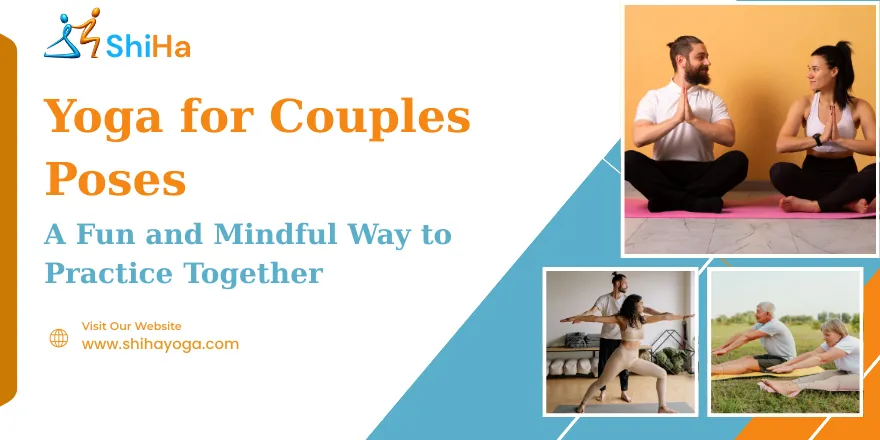
Yoga for Couples Poses: A Fun and Mindful Way to Practice Together
The fast-paced UK lifestyle pushes couples to find deep connections because work deadlines and screen time and everyday duties interrupt their relationship time. The shared experience which develops both physical and mental abilities stands as the ultimate human connection method which dates and weekend trips cannot match. The practice of couple yoga poses provides a beautiful yet mindfulness-based solution.
Yoga practice between partners goes beyond their physical stretching activities. The activity establishes trust while developing skills for better communication and creating stronger emotional bonds and introducing a fun element to your daily activities. Partner yoga practice establishes a fulfilling ritual which benefits both you and your partner. You can practice it at your London residence or your peaceful countryside home.
The article examines how yoga poses for couples help people build better relationships while providing practical tips and advantages and simple home practice sequences.
Why Couples in the UK Are Turning to Partner Yoga
The contemporary relationship problems stem from partners needing to spend more time together. The combination of work demands and digital interruptions forces partners to stay together in the same area but prevents them from establishing real connection. Yoga promotes the following activities
People should establish eye contact while they build physical contact relationships
People should practice mindful breathing together with their partners
People should maintain direct eye contact to express their thoughts without using spoken words
People should practice shared laughter together with their partners to create a joyful atmosphere
Yoga for couples requires partners to work together to perform the poses which differ from individual practice. The two partners must work together to create one complete movement. The two partners create a system of mutual balance. The two partners provide each other with physical assistance while also offering emotional backing.
The United Kingdom wellness culture accepts partner yoga as a perfect match because people there now value mindfulness and mental health awareness and holistic living practices.
Benefits of Yoga for Couples Poses
1. Strengthens Emotional Bond
The two of you develop a deeper connection through shared practice. Your combined breathing and movement patterns create a trust bond between you.
2. Improves Communication
The majority of yoga poses demand instructors to demonstrate their movements through spoken instructions that include "lean back slowly" and "hold steady" commands. This practice establishes awareness between people while developing their ability to treat each other with respect.
3. Encourages Playfulness
Couples who practice yoga together through two-person poses will experience initial laughter because of their fun yoga practice. Laughter decreases stress hormones in the body while it produces enjoyable memories.
4. Boosts Physical Fitness
Partner poses activate core muscles together with leg and arm muscles while they develop flexibility and balance skills.
5. Reduces Stress Together
Breathing exercises calm the nervous system. Practicing after a long UK workday can replace stress with calm connection.
Preparing for Your Couples Yoga Practice
Before you begin with the poses for 2 couples, keep the following advices in mind:
Select a peaceful, cozy place in your home
Yoga mats provide stability
Dress in comfortable, stretchable outfit
Leave around two and half to three hours after a heavy meal before practising
Speak Up While You’re in a Pose
But please don’t make the mistake of thinking that you need to be perfect. The goal is connection — not Instagram-worthy photos.
Easy Yoga for Couples Poses to Try at Home
Given below are simple and 2 person yoga poses for beginners for couples that require no fancy flexibility.
1. Seated Back-to-Back Breathing
How to do it:
Sit cross-legged back-to-back.
Gently rest your spines against each other.
Close your eyes and breathe deeply.
Try to synchronise your breath for 5–10 minutes.
The practice helps people understand their emotions better while it creates a calming effect on their nervous systems.
2. Partner Forward Fold
How to do it:
Sit facing each other with legs extended.
Hold each other’s hands or wrists.
One partner should lean back gently while the other partner should fold forward.
The partners should switch their roles in a slow manner.
The exercise builds trust through its double benefit of stretching hamstrings and lower back muscles.
3. Double Downward Dog
How to do it:
The first partner starts the exercise by entering the downward dog position.
The second partner must put hands down to ground before raising feet onto first partner's lower back.
The participants must maintain a continuous flow of their breathing.
Benefits:
The program builds arm strength while developing core muscles and improving coordination skills.
4. Partner Tree Pose
How to do it:
Stand side by side.
Place inside arms around each other’s waist.
Lift outer leg into tree pose.
Press palms together with free hands.
Benefits:
The activity helps people develop better balance skills while studying teamwork techniques.
5. Supported Backbend
How to do it:
The process requires you to sit back-to-back while extending your legs.
One partner gently leans forward.
The other partner uses their partner's body to lean backward.
The partners should change positions at a slow pace.
The exercise creates two main advantages which include chest opening and improved vulnerability practice.
How Often Should Couples Practise?
The typical schedule for busy UK couples requires them to attend two to three sessions each week because this frequency provides effective results. The couple can improve their relationship through 20 minutes of evening time together which helps them decrease their daily stress and boost their happiness.
The best time for weekend mornings occurs before breakfast and after light tea breaks.
Making Couples Yoga Part of Your Lifestyle
No pressure but consistency. The more advanced postures don’t mean anything. Here, in particular, are the four key points that one should rely on while engaging with partners.
*Make sure you breathe evenly and have eyes that communicate a sense of somehow fully knowing
*Be present, hands’ support strong during various partner asanas/maneuvers
*Give yourself permission to giggle if you lose your balance
*Conclude your practice with expressions of gratitude.
At Shihayoga, we consider individual conscious movements not just strengthening of the self but relationships as well. For those of you with little or no experience in yoga, we also offer: Fun & Easy Yoga Asanas-a collection of practices that may provide a solid foundation for partner variations.
Safety Tips for Yoga Poses for Couples
Never force a stretch.
Indicate discomfort immediately by communicating.
You should begin your practice with simple postures before moving to advanced postures.
The body should be warmed up through the practice of light stretching exercises.
Both partners should seek professional advice when they have physical injuries.
The ability to listen to others matters as much as the capacity to listen to your own physical sensations.
Why Partner Yoga Feels Different from Solo Practice
Solo yoga is an inward practice. Partner yoga takes that consciousness outward. You are aware of:
Another person’s breathing rhythm
Body weight distribution
Subtle emotional shifts
This collective consciousness also promotes empathy and patience — both of which every relationship requires.”
Final Thoughts
The practice of yoga for couples provides an effective solution to relationship challenges which couples face during their attempts to find meaningful time together. The system operates without needing costly gym equipment or fitness center memberships or complex workout procedures. The system requires only two individuals who need minimal space to establish their connection.
The purpose of your practice should guide your yoga attempts, whether you are a beginner who wants to try 2 person yoga poses or you want to explore advanced yoga patterns for couples.
The combination of partner yoga with Fun & Easy Yoga Asanas foundation practices will result in your development of stronger physical strength and your ability to form deeper connections with others.
The UK population needs this mindful break because it provides essential support to their relationships.