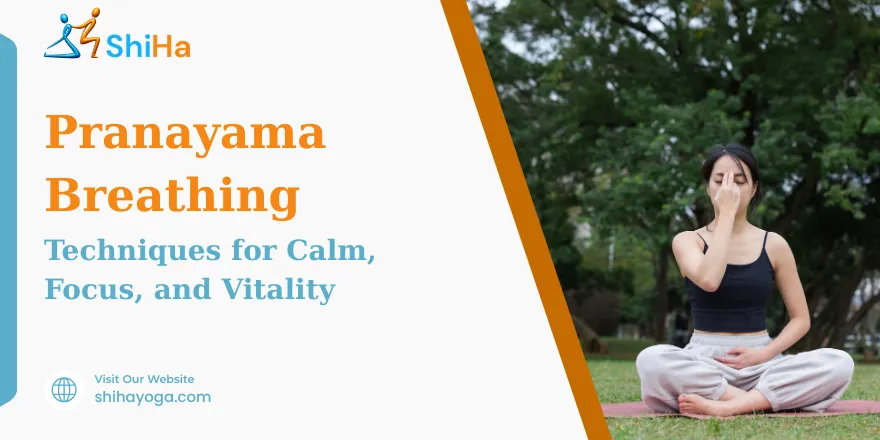
Pranayama: Breathing Techniques for Calm, Focus, and Vitality
In the UK nowadays, life is fast. Early morning trains to London, to back-to-back Zoom meetings in Manchester, or the school run in Birmingham: many of us live slightly out of breath – not always physically, but certainly mentally. Stress is building silently. Attention wains. Tiredness strikes.
And this is when pranayama gets powerful.
Pranayama is a systematic process of working with breath to impact the body, mind and nervous system and it is far more than just “breathing exercises.” In yoga philosophy, breath is not simply air; it is prana — the life force. When you start to direct your breathing intentionally, you start to direct your state of being.
In this article, we will discuss the true meaning of what pranayama is, what the benefits of pranayama are, and which pranayama breathing exercises are best to help you bring a sense of calm and clarity to the busy modern life in the UK.
What Is Pranayama?
Pranayama is a compound word formed from two Sanskrit words:
Prana – life force
Ayama – expansion, extension or control
In simple terms, Pranayama is the act of expanding and contracting one's life force through the breath.
It is traditionally practiced in conjunction with physical yoga poses, and this is why you will frequently hear the words yoga and pranayama together. Yoga prepares the body, pranayama refines the inner environment — it tempts the nervous system, increases lung capacity and steadies the mind.
In contrast to normal breathing, pranayama has certain rules and principles to be followed in the form of patterns, rhythm, etc. These patterns have a direct impact on:
- Heart rate
- Response to stress
- Mental clarity
- Equilibrium of the emotions
- Levels of energy
And the best part? You can practise it anywhere — in your home, office, or even on your way to work.
Why Pranayama Matters in the UK Lifestyle
There is a lot of issues for people in the UK to deal with:
- Long working hours
- Sedentary desk jobs
- Grey winter months and mood
- Digital fatigue
- Very stressful
It is when stress becomes chronic, that the body stays in ‘fight or flight’ mode. Breathing becomes shallow and fast, which keeps the nervous system in a state of overstimulation.
The Pranayama breathing softly turns you into 'rest and digest' mode. This is where healing, clarity, and creativity take place.
If you are already taking or considering the best online yoga courses , adding pranayama to your practice could significantly enhance your experience. Just five to 10 minutes a day can alter the way you respond to stress.
The Science Behind Pranayama Breathing
Modern science is confirming what yogis have known for centuries.
When you breathe slowly and rhythmically:
- The vagus nerve is activated
- Cortisol levels may be reduced
- Blood pressure can stabilise
- Oxygen supply is enhanced
- Attention and cognitive functionality are enhanced
Slow rhythmic breathing is a signal of safety to the brain. So it eases anxiety and can help improve sleep — which many people in the U.K. find elusive.
In other words, pranayama-style breathing techniques produce a quantifiable physiological difference.
Core Pranayama Breathing Techniques
Let us dive in some of the most foundational simple, safe, and effective methods for the overwhelming majority of people.
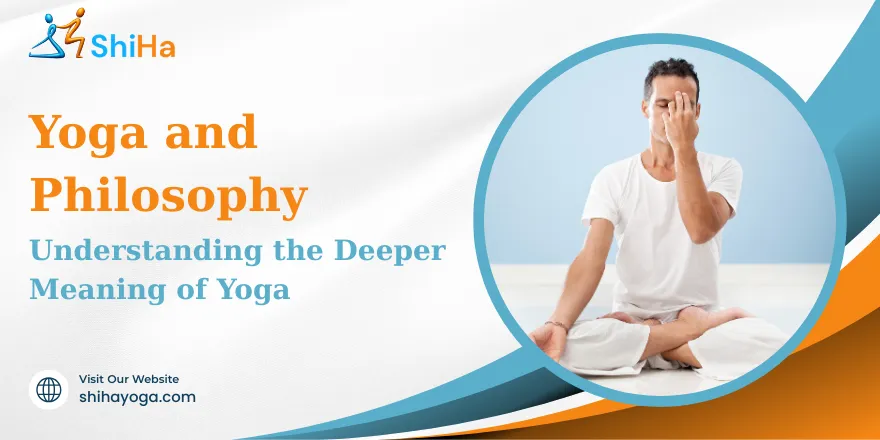
1. Nadi Shodhana (Alternate Nostril Breathing)
Best for: Anxiety, overthinking, pre-sleep relaxation
This practice harmonizes the left and right sides of the brain and helps maintain calm attentiveness.
How to practise:
- Sit with your spine straight and comfortably.
- Close the right nostril with your thumb.
- Inhale through the left nostril.
- Close the left nostril with your ring finger.
- Exhale through the right nostril.
- Breathe in through the right nostril, switch nostrils, then breathe out through the left.
- Keep going for 3–5 minutes.
This is one of the easiest to learn pranayama breathing exercises for beginners and it is a perfect exercise to do before important meetings or stressful situations.
2. Ujjayi Pranayama (Victorious Breath)
Best for: Concentration, yoga flow, brain fog
Ujjayi is done by slightly constricting the throat and making a soft hissing underwater sound when you breathe.
It is typically practiced during yoga and aids in a meditative cadence. If you combine your yoga and pranayama practice, Ujjayi will help you synchronise movement with consciousness.
3. Kapalbhati Pranayama
Best for: Energy, digestion, mental alertness
Kapalbhati breathing has a few rapid, forceful breaths out and passive breaths in.
How it works:
- Sit upright.
- Take a deep inhale.
- Begin forceful, quick exhales by engaging your core and pulling your belly in towards your spine.
- Let the breaths flow naturally.
- Begin with 20-30 strokes.
This is a body awakening practice so it should be done in morning. It is one of the more stimulating pranayamas so do not practice it late at night.
4. Bhramari (Humming Bee Breath)
Great for: Stress relief, tension headaches, emotional control
Inhale and exhale deeply while producing a humming sound.
The vibration soothes the nervous system and may be particularly beneficial during stress filled time like exam seasons or a busy work schedules.
The Advantages of Pranayama
The benefits of pranayama are not just limited to relaxation. So, let’s see in what aspects of life it can be helpful.
1. Mental Calm and Emotional Balance
Pranayama balances the stress response. You start to respond rather than reacting. That is especially valuable in today’s busy work place or home life.
2. Enhances the Focus and Productivity
Pranayama breathing increases oxygen supply to the brain and as a result it enhances the concentration and brain power. A lot of pros take quick breather breaks to recharge throughout the day.
3. Better Sleep
Slow breaths at bedtime reduce tossing and turning. For all those suffering from seasonal dips in mood during the bleak UK winters, regular breathwork practice can assist in bringing a sense of balance to internal rhythms.
4. More Energy Levels
Plenty of breathing exercises are invigorating (for example Kapalbhati Pranayama promotes blood circulation and alertness — but not only through the consumption of caffeine).
5. Lung Capacity and Respiratory Health
It is also known to strengthen breathing muscles and increase breathing awareness with regular use. This is particularly useful in cities where the air quality is variable.
Pranayama Benefits for Different Lifestyles
For Office Professionals
- Orders reduced burnout
- Enhances focus
- Alleviates tension from sitting too long
For Students
- Aids in memory retention
- Relieves exam nerves
- Improves clarity in reframing
For parents only
- Promotes emotional resilience
- Makes for quiet time alone
- Energizes after a busy day
For Older Adults
- Keeps lungs strong
- Promotes a healthy, gentle cardiovascular system
- Promotes mental stability
Final Thoughts
Pranayama is simple — but life-changing.
From calming nerves prior to a presentation, to energising your morning routine, pranayama breathing exercises are practical tools for today's lifestyle.
Benefits of pranayama include better concentration, enhanced respiratory function, emotional stability and long-lasting energy. Practice Yoga Postures and Pranayama Techniques with yoga and pranayama, the results will be amazing.
In an era when the world seems to be always demanding its attention, pranayama turns that attention inward — one breath at a time.
If you want to experience profound pranayama benefits for yourself, begin modestly. Sit quietly. Breathe slowly. Breathe out fully.
You’ve always had your breath. Now, follow it.