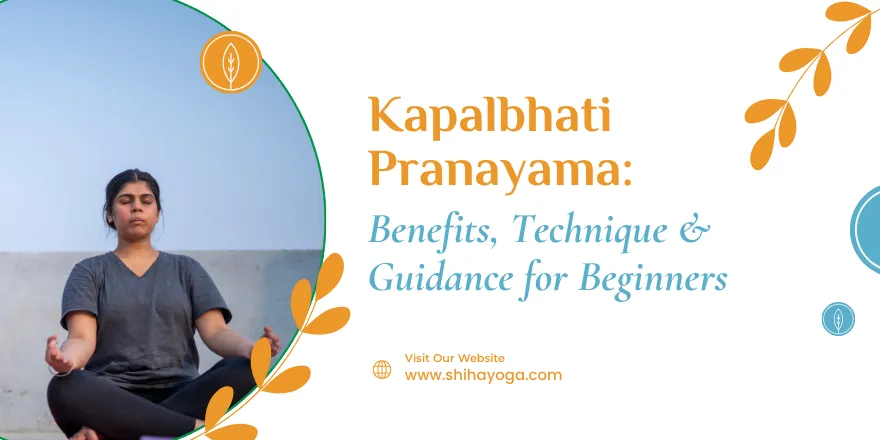
Kapalbhati Pranayama: Benefits, Technique & Guidance for Beginners
Kapalbhati Pranayama is one of the most powerful yogic breathing techniques known for cleansing, detoxifying and energizing the body. The word Kapalbhati comes from Sanskrit where “Kapal” means skull and “Bhati” means shining. This practice purifies the mind, strengthens internal organs and brings mental clarity.
Whether you are a beginner, yoga practitioner or wellness seeker, understanding what Kapalbhati Pranayama is and how to practice it correctly can bring a significant shift in physical, mental and emotional well-being.
What Is Kapalbhati Pranayama?
Kapalbhati Pranayama is an active breathing technique involving forceful exhalations and passive inhalations. Each strong exhale removes toxins and stale air from the body, while natural inhalation refreshes the lungs and energizes the system.
Traditionally, Kapalbhati is classified as a Shatkarma (cleansing kriya) in Hatha Yoga, but modern yoga systems include it under pranayama due to its breath-based therapeutic effects.
Is Kapalbhati a Pranayama?
In classical yoga texts, Kapalbhati is a cleansing technique rather than a pranayama. However, in contemporary yoga practice it is commonly taught as Kapalbhati Pranayama.
Kapalbhati Pranayama Benefits
1. Improves Respiratory Function
- Strengthens lungs
- Removes mucus and pollutants
- Improves oxygen levels
- Helpful for mild asthma and sinus issues
2. Enhances Metabolism and Digestion
- Stimulates digestion
- Boosts metabolism
- Relieves bloating and constipation
- Improves nutrient absorption
3. Assists in Weight Loss
- Burns belly fat
- Improves insulin sensitivity
- Increases metabolic rate
4. Detoxifies the Body
- Removes carbon dioxide
- Flushes toxins
- Clears energetic blockages
5. Improves Focus and Mental Clarity
- Boosts concentration
- Reduces brain fog
- Enhances memory
6. Relaxes Mind and Nervous System
- Reduces anxiety
- Improves emotional balance
- Calms the nervous system
7. Supports Hormonal Balance
- Improves thyroid health
- Balances reproductive hormones
- Reduces PMS symptoms
8. Improves Skin Health
- Natural glow
- Clear complexion
- Slows aging
How to Do Kapalbhati Pranayama Step by Step
Step 1: Sit Comfortably
Sit in Sukhasana, Vajrasana, Padmasana or on a stool with a straight spine.
Step 2: Place Hands on Knees
Rest hands on thighs in Gyan Mudra or comfortably.
Step 3: Inhale Normally
Take a natural and relaxed inhalation.
Step 4: Exhale Forcefully
Contract abdominal muscles and exhale forcefully. Inhalation happens automatically.
Step 5: Maintain Rhythm
- Beginners: 30 strokes × 2 rounds
- Intermediate: 60 strokes
- Advanced: 90 strokes (3 rounds)
Types of Kapalbhati Pranayama
- Vatakrama Kapalbhati
- Vyutkrama Kapalbhati
- Sheetkrama Kapalbhati
Who Should Do Kapalbhati?
- Healthy adults
- People with digestive issues
- Yoga therapy students
- Online yoga class practitioners
Who Should Not Practice Kapalbhati?
- Heart disease patients
- Pregnant women
- Hernia
- Recent abdominal surgery
Common Mistakes in Kapalbhati Pranayama
- Forced inhalation
- Moving shoulders instead of abdomen
- Practicing after meals
- Poor posture
Conclusion
Kapalbhati Pranayama is a powerful yogic practice that cleanses the body, energizes the mind and balances emotions. When practiced correctly and consistently, it becomes a transformational tool for modern wellness.