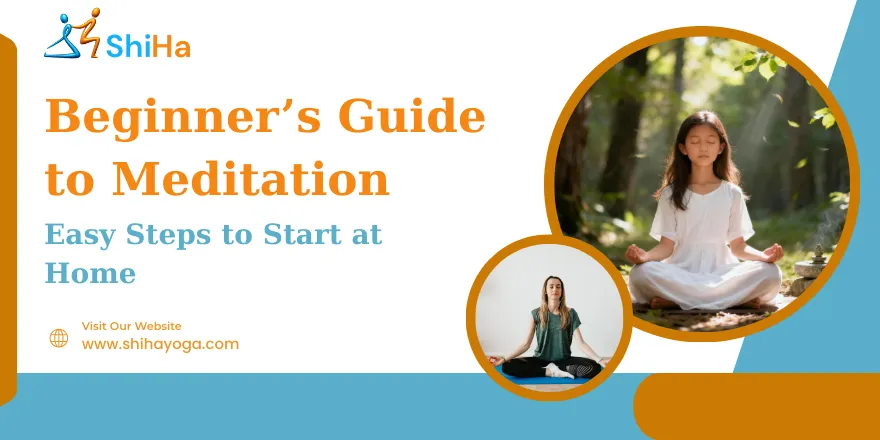
How to Meditate for Beginners: Simple Steps to Start Your Practice
Who needs a spiritual practice when you can have the spiritual pleasure of meditation? Throughout the UK — from London flats to rural cottages — more and more people are realising the power of a few quiet moments. If you've ever asked yourself how to meditate as a beginner, this guide will take you step-by-step through it in a simple, practical way.
You don’t need any special clothing.
There’s no need to sit cross-legged for hours on end.
There's no need to "empty your mind.
All that is required is a little time, a comfortable place to sit and the willingness to get started.
we’ve tailored this beginner-friendly guide specifically to our UK readers to offer some down-to-earth, practical advice on how to start meditation for beginners (at home, in bed or as part of a daily wellness routine).
Why Meditation Is Becoming So Popular in the UK
Life in the UK is now often described as rushed and stressful. Long commuting miles, screen time, social pressure, and notifications make many people mentally exhausted. Meditation gives you something scarce these days — a moment of stillness.
According to research by UK organisations dedicated to wellbeing, meditating on a regular basis can contribute to:
Reduce stress and anxiety
Increase attention and focus
Help with sleep
Promote emotional stability
Enhance wellbeing
The best part? You can practice anywhere - at home, in a park or even before bed.
What Is Meditation (In Simple Words)?
Meditation is attention training.
Rather than allowing your mind to wander freely, you softly bring your attention to a particular object, such as your breathing, a word (mantra), or bodily sensations.
It’s not about stopping thoughts. It is doing them without reacting, without noticing them.
It’s like sitting on the side of a busy road, right? The cars (your thoughts) continue to move, but you are simply watching — not running after them.
How to Meditate for Beginners: Step-by-Step Guide
If you’re starting completely fresh, just do the following.
Step 1: Find a Quiet Place
There's no need for it to be completely silent. Just a quiet little corner at home. Many novices in the UK like to take the early morning or late evening when the house is quiet.
If you‘re learning how to meditate for beginners at home, turn off your notifications and tell the people around you that you need a couple of minutes of peace and quiet.
Step 2nd: Sit comfortably (or lie down)
You may:
Sit on a chair with your feet flat on the floor
Sit cross-legged on a cushion
Lie down if you can’t sit comfortably
Straighten your back, but keep it relaxed. Rest your hands lightly on your knees or in your lap.
If you're wondering how to meditate in bed for beginners, lie on your back with your arms at your sides. Just be careful not to fall asleep (unless sleep is your goal).
Step 3: Pay attention to your breathing
Close your eyes softly.
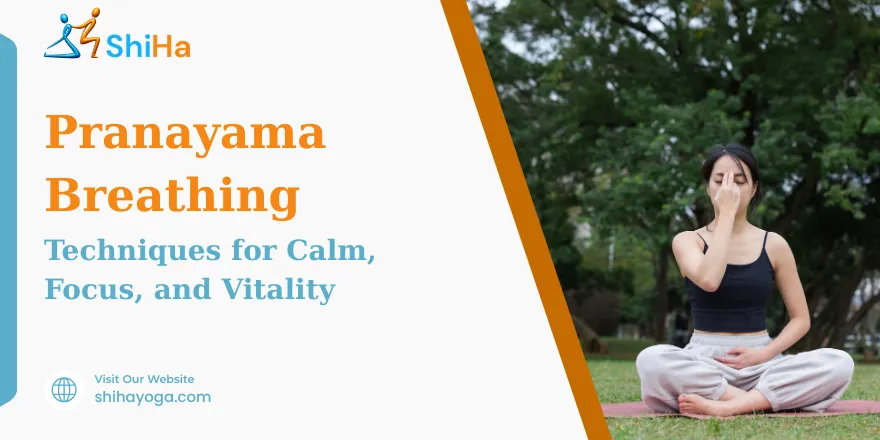
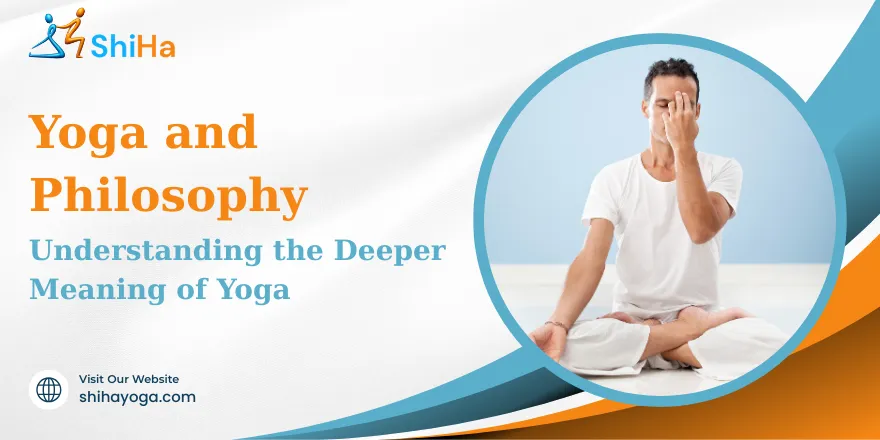
Take a slow breath in through your nose.
Breathe out evenly from the mouth.
Now, turn your breath back to normal and just observe the following:
The air coming in through your nose
The rising of your chest
The dropping of your belly
This is your anchor.
Step 4: Observe Your Thoughts (Without Judging)
Your mind will wander. That’s OK.
You may wonder about:
What to cook for dinner
Some emails you need to send
Weekend plans for the week ahead
Someone or something from years ago
When you realize your mind has wandered, gently redirect your focus back to your breath.
No frustration. No self-criticism.
This returning is the practice.
Step 5 Begin with Small Steps
How long should meditation last for beginners is among the most asked questions.
Begin with the following:
5 minutes a day
Then increase to 8–10 minutes
Finally, 15–20 minutes if comfortable
Consistency is more important than duration.
Five minutes per day is better than half an hour once a week.
Common Beginner Mistakes (And How to Avoid Them)
1. Struggling to Not Think Hopeless Thoughts
You can't make your mind go blank. Meditation is alertness, not quietness.
2. Waiting to See Immediate Results
Meditating is like lifting weights. The effects compound over weeks and months.
3. Measuring Yourself Against Others.
Your experience is one-of-a-kind. Some days are peaceful. Others are uneasy.
Both are normal.
Different Types of Meditation for Beginners
If fundamental breath meditation seems monotonous, you may want to try these:
1.Guided Meditation
A teacher directing your awareness to listen.
2.Body Scan
Directing awareness to various regions of the body.
3.Loving-Kindness Meditation
Repeat phrases inaudibly such as:
“May I be calm. May I be healthy. May I be safe.”
4.Walking Meditation
Pausing to take a bite, while concentrating on what you are doing.
This will be particularly welcome in many an English park or rural district.
How Long to Meditate for Beginners?
There's no hard rule.
So here’s a quick guide:
Weeks 1–2: 5 minutes every day
Weeks 3–4: 8 to 10 minutes
After 1 month: 10-15 minutes
You can build up to 20 minutes if you feel comfortable.
Keep in mind the answer to “how long should beginners meditate” is more about consistency than duration.
Building a Sustainable Meditation Routine
To help establish meditation as a long-term habit:
Pick the same time each day
Keep your expectations realistic
Use a journal to keep track of your progress
Celebrate small milestones
Even a streak of 30 days can make a difference in how clear your mind feels.
Combining Meditation with Gentle Movement
Meditation and yoga are a wonderful combination.
Before sitting, try:
Neck rolls
Shoulder stretches
Gentle forward fold
Seated spinal twist
These moves condition your body for quiet.
If you're a beginner in yoga, you may also like to check out Easy Yoga Poses for Beginners to enhance your meditation experience by helping you with better posture and relaxation.
Final Thoughts
If you're wondering how to meditate for beginners, here’s the thing: meditation isn’t about doing it perfectly — it’s about showing up.
You don’t need a silent country retreat or hours of leisure. Whether you practice in your living room, visit how to meditate for beginners at home, or take a look at how to meditate in bed for beginners before lying down, what counts is consistency.
Begin with modest amounts of time. Even five minutes is enough.
If you don't know how long to meditate for beginners, set a realistic amount of time, and do so each day. As you become more comfortable, so too will your practice deepen.
There will be busy days. There will be restless sessions. That is half the battle. Every time your attention leaves your breath, and you come back to it, you’re strengthening awareness, patience, and willpower.
Meditation is not a retreat from life – it is a way of living with more peace and clarity.
So take a seat, close your eyes, and begin. Your journey starts with one quiet breath.