
Feb 28, 2026
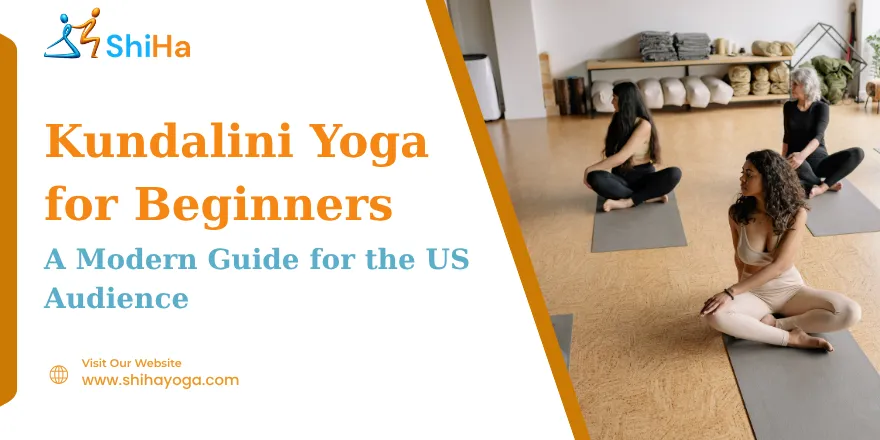
Kundalini Yoga for Beginners: A Modern Guide for the US Audience
Kundalini yoga is one of the fastest growing yoga practices in the USA of late. More Americans are seeking yoga exercises that help them to clear their minds and balance their emotions from busy professionals in New York to wellness seekers in California. However, many novices still have questions such as what kundalini yoga is all about, how it can work and if it is safe for all.
Contrary to the other yoga styles that are based on fitness, kundalini and yoga practices apply the principles of inner energy awakening through movement, breathing exercises, meditation, chanting and mindfulness. Today this ancient practice is being embraced by modern lifestyles in order to help people alleviate stress, anxiety, lack of focus and emotional burn-out.
Meanwhile, there's been a lot of confusion among novices as they discuss online about the dangers of kundalini yoga. For some it is very transformative, for others, they have a misunderstanding of what the practice is about. It's all about learning the correct way and practicing it balanced.
It's a guide for beginners that teaches all you need to know about kundalini yoga, its benefits, the basics, the precautions, and how any American can comfortably begin his or her journey if at home or in a studio.
What is Kundalini Yoga?
When you're reading what kundalini yoga is, you have most likely heard the phrase, “energy awakening” or “spiritual transformation.” These descriptions are in some ways accurate, but in many ways, kundalini yoga is quite realistic and practical.
Kundalini yoga is a style of yoga which incorporates:
- Breathwork (Pranayama)
- Physical postures
- Meditation
- Chanting or mantras
- Relaxation techniques
The aim is to wake up the “sleeping” energy that is thought to reside at the base of the spine. This energy is referred to as “kundalini.” When this energy can move and circulate freely, yogic philosophy says that an individual can gain greater awareness, equilibrium of emotions, creativity and peace.
It's important to note, whenever you are learning Kundalini yoga in the USA, that it's not just a spiritual discipline, but a complete system of mind-body wellness practices.
Why Kundalini Yoga Is Becoming Popular in the US
Today's lifestyle is often characterized by long workdays, information overload, insomnia and chronic stress. A lot of people are attracted to yoga for its physical benefits and then seek something to help their mental and emotional health, as well.
Some of the reasons why people choose to study kundalini yoga in the U.S. are:
- Learn to cope with stress and anxiety.
- Better sleep quality
- Improved emotional awareness
- Spiritual curiosity
- Increased energy levels
- Support for mindfulness practices are provided.
- Digital Detox & Mental clarity
It's also gaining in popularity because individuals can take part in training from the convenience of their own homes via best online yoga classes and will have the ability to take part in training despite their busy schedules.
Why is Kundalini Yoga Different from Other Yoga Styles?
The beginners who have just started practicing Kundalini Yoga to this yoga style in the USA, make comparisons with various other yoga practices, such as Vinyasa, Hatha and Power Yoga.
- Focus on Energy
In most of the yoga styles flexibility and strength are the important points. The Kundalini Yoga practice involves energy flow, awareness and movement. - Repetitive Movements
It is possible to repeat the same movement or breathing pattern for several minutes to achieve a focus of mind and release of emotion. - Breathwork Is Central
Kundalini yoga doesn't have any options on breathing techniques. They are regarded as one of the significant components of the practice. - Meditation Is Included
In comparison with many studio classes, which have brief relaxation periods at the conclusion of the class, kundalini yoga may have extra prolonged periods of meditation. - Emotional Awareness
People can often have emotional changes during training as talking about the techniques encourages them to be mindful and to reflect on themselves.
Benefits of Kundalini Yoga for Beginners
People start kundalini yoga to achieve one purpose and then go on to practice it due to numerous unexpected benefits. Some of the most typical benefits that newbies enjoy.
- Lowered Stress & anxiety.
- There are several techniques that are available to help calm racing thoughts and lower stress levels in day-to-day life which include breathwork and meditation. After practice, many practitioners experience a sense of lightness in their minds.
- Reduced Stress and Anxiety
- In Kundalini Yoga, the practice of mindfulness and concentration is encouraged. This can be helpful when boosting productivity and to prevent mental fatigue.
- Improved Sleep
- Relaxation techniques, such as slow breathing and meditation, can help to promote restful and peaceful sleep.
- Increased Energy
- Kundalini yoga can give one a feeling of rejuvenation and balance instead of what physical activity sometimes does depletes the energy.
- Emotional Balance
- The practice of self-awareness and calms people when processing emotions.
- Stronger Mind-Body Connection
- Many of the learners realize how they are sitting, how they are breathing and how they are reacting to the stress.
Basic Elements of a Kundalini Yoga Session
Usually a beginner's kundalini yoga class is structured.
- Opening Chant – Practitioners may typically start with a mantra or chant to help them focus and go into practicing mode.
- Warm-Up Movements – Neck, shoulders, hips and joints are warmed up with gentle stretches.
- Kriya – Kriyas are a certain sequence of movements, breath and meditation performed for a particular purpose, for example to relieve stress or balance energies.
- Relaxation – With a few moments of relaxation, the body is able to assimilate the benefits of practice.
- Meditation – Meditation can be done with breathing, silence, chanting or hand gestures called mudras.
- Closing – Usually the session ends with gratitude or calming breathwork.
Is Kundalini Yoga Safe for Beginners?
The foremost asked question on the web is the reason why kundalini yoga is dangerous. This is primarily due to the lack of understanding and misinformation, or due to strong practices which are performed without guidance.
Understanding that there is not everyone who is healthy, beginner level kundalini yoga is usually safe if done properly.
However, there can be issues if any one:
- Enables more powerful breathing techniques
- Practising too much in advance
- Disregards bodily limits
- Anticipates powerful spiritual experiences
- Learns from unqualified people
It is always best to ease yourself in, stick to the beginner's level and pay attention to your body.
Beginner-Friendly Kundalini Yoga Practices
There is no need for any advanced flexibility and spiritual knowledge to begin kundalini yoga. Some good starting exercises.
- Deep Belly Breathing – Sit comfortably and pay attention to slow deep breathing. This aids to relax the nervous system.
- Spinal Flexes – Slow gentle movements of the spine forward and backward help to increase flexibility and movement of energy.
- Breath of Fire – A rapid breathing exercise which is often practiced in kundalini yoga. It's best for beginners to take their time and work slowly to start off.
- Simple Meditation – Take a few minutes to sit quietly and concentrate on your breath or repeat a soothing word.
How Often Should Beginners Practice?
It is consistency that is more important, than intensity.
A reasonable amount for first timers in the United States is:
- 10–15 minutes daily
- 3–4 short sessions weekly
- Slowly increasing time over the course of time
The aim is to establish a habit, don't push too hard.
Can You Practice Kundalini Yoga at Home?
Absolutely. Because there are now flexible online learning options, many Americans are now practicing from home.
Home practice offers:
- Privacy
- Flexible scheduling
- Lower cost
- Comfortable environment
For the novice, it is best to acquire the correct breathing and posture patterns from reputable teachers or a course.
Later, when students are more confident and aware of their bodies, they often do home practice in conjunction with Advanced Yoga Poses training.
common myths about Kundalini Yoga
- Myth 1: It Is Only for Spiritual People – Anyone interested in stress, mindfulness or wellness can benefit from Kundalini yoga.
- Myth 2: You Must Be Flexible – Flexibility is NOT needed. There are lots of mild and easy to do practices.
- Myth 3: Kundalini Awakening is a risk for all. – Most people don't have dramatic mental and emotional effects, but rather take things slowly.
- Myth 4: It Is Too Complicated – Simple breathing and meditation exercises can be used by beginners.
Final Thoughts
Kundalini yoga offers a unique approach to wellness that combines movement, breathing, mindfulness, and self-awareness. It can be a worthwhile respite for novices in the U.S. from the pressures and high speed of contemporary existence.
Most of the fears about the dangers of kundalini yoga are misguided and based on misunderstandings, although there are online discussions of this. With a slow and responsible approach, kundalini yoga can be a safe and if done correctly, very rewarding experience.
This practice is beneficial for everyone from stress relief to emotional balance, mindfulness to personal growth, it provides you with tools that will help you with your mental and physical well being.
Kundalini and yoga is not a transformation or perfection. It's one breath and one practice at a time to become more connected with yourself.
FAQs About Kundalini Yoga
1. What is the simplest definition of kundalini yoga?
Kundalini yoga combines breathing exercises with physical movements and meditation and chanting to enhance mental clarity and emotional balance and overall health. The practice aims to establish a connection between mental faculties, physical body, and internal energy.
2. Can a beginner practice kundalini yoga?
Yes, it is described as going kundalini slow and kundalini right. There are a lot of very straightforward breathing and meditation practices that are quite simple that can help you calm down, regain your focus, and help you relax.
3. Why is kundalini yoga harmful?
Warrior poses do have risks and are contraindicated for some people, but with the breathing, meditation and modified versions, there’s no need to worry. From that you can feel a more explosive energy generated by Kundalini yoga Advanced breathing exercises and prolonged meditation practice also can be unpleasant or induce dizziness or emotional overwhelm for some people.
4. How often should I do kundalini yoga?
Anyone 10 minutes beginning or three or four beginning sessions a week. The bodies slowly adapt for the practice and so mind, when you are practicing more practice namely consistency and without practice keeping between helps in feeling Bodyper cent mindper cent relaxation.
5. Can kundalini yoga reduce stress?
Yes, kundalini yoga is so amazing at releasing stress and anxiety. Mindful breathing, meditation, and gentle movement also support the calming of the nervous system and the promotion of emotional well-being – naturally.
6. Will flexibility be required to practice kundalini yoga?
No, flexibility is no necessary in kundalini yoga. The majority of beginner practices are not so much about the physical poses and stretching, but more about the breath, awareness and the gentle movements.
7. What does kundalini awakening mean in yoga?
The awakening of Kundalini is the upregulation of awareness, emotional development and greater mindfulness in one's yoga practice. Most people are more likely to undergo change in their own lives, rather than eventful spiritual experiences.
8. May I perform the kundalini Yoga at my home?
Indeed, a lot of people here in the USA resort to practising Kundalini yoga in their homes online or under the guidance of a certified teacher. Beginners generally will begin comfortably with a quiet space and routine.
9. What should I wear for a kundalini yoga class?
For kundalini yoga class attendance you should choose loose clothing which provides comfort and enables you to move freely while breathing easily. Practitioners of kundalini yoga usually choose light workout clothes or soft yoga wear as their ideal clothing for practice.
10. How is kundalini yoga different from regular yoga?
Kundalini yoga combines physical movement with three practices which include meditation and chanting and breathing techniques. The practice of yoga here goes beyond physical fitness because it helps practitioners achieve mental clarity and balance their energy and control their emotions.