Feb 28, 2026
How to Practice Kapalbhati Yoga Correctly at Home
Lots of people today want an easy way to stay healthy, remain active, and feel calm, all without spending hours in the gym. One of the more well-known breathing practices in yoga is kapalbhati yoga. If you’re thinking, 'What is Kapalbhati yoga?' How does it work, and how can I try it safely at home? Then this guide should really help. Learning how to do kapalbhati yoga in the right way can improve your breathing, lift your energy, and also support your overall wellness. A lot of yoga teachers bring Kapalbhati pranayama yoga into everyday routines because it’s pretty simple to pick up and it brings a few practical health advantages. When you understand the right kapalbhati yoga pose, the proper kapalbhati yoga breathing, and the many kapalbhati yoga benefits, beginners can form a steady yoga habit. Here, we’ll also look at the key advantages of Kapalbhati yoga, plus some hands-on tips for practising at home, without overthinking it too much.
What Is Kapalbhati Yoga and Why Is It So Popular?
As a novice, often people ask, What is Kapalbhati yoga? The breathing exercise Kapalbhati is a traditional yogic exercise. From the term "Baner", which translates to "bright", and "Kapal", it translates to “forehead shining”. That's why many people refer to kapalbhati yoga as a breath cleansing yoga exercise, which restores the mind and body. In kapalbhati pranayama yoga, emphasis is laid not on the natural inhale but on the powerful exhale, a breath that is stronger than normal. The practice promotes breathing exercises where the student learns to become aware of his/her breathing response and exercise it in a more active way that helps their lungs to be more efficient. It is one of the reasons for the popularity of kapalabhati yoga, as it can be performed at any time and place without any special equipment. Even a beginner in making yoga a habit in his daily routine can practice it with the right yoga position and with proper kapalbhati yoga breathing. As more and more people discover the benefits of kapalbhati yoga, they have begun looking into the practice, regardless of their age. Many yoga enthusiasts also practice Yoga Poses for Beginners in combination with it to make a well-rounded practice.
Kapalbhati Yoga Benefits for Mind and Body
Knowledge of kapalbhati yoga benefits will enable you to embrace it with regularity. Better Breathing Capacity The most well-known Kapalbhati yoga benefit is the enhancement in the perfection of breathing. Exercises build up the lungs and promote the circulation of oxygen in the body. Increased Energy Levels After doing Kapalabhati yoga for a few seconds, practitioners are more awake. Movement can be helpful in reducing the sense of tiredness and sluggishness with the quick breathing movement. Improved Focus The rhythmics that are present in kapalbhati pranayama yoga practice help to bring a state of concentration. Can help enhance concentration and make the mind sharper in everyday activities. Supports Relaxation Breathing technique is active, but after practice, many people tend to have a feeling of calm. One of the oft-talked-about benefits of kapalbhati yoga is that of removing toxins from the body. Encourages Healthy Habits With practice, Kaplanbhati yoga can prompt individuals to be healthier in their lifestyle choices, which encompass their nutrition, exercise and being mindful. Many yoga beginners integrate yoga with a little stretching and yoga poses for beginners for a complete wellness regimen.
How to Do Kapalbhati Yoga Step by Step
Any beginner will look for kapalbhati yoga, as it gives him/her guidelines. There's a straightforward procedure that you can use. Step 1: Step Away – Go to a quiet place. Be sure to find a quiet space free from distractions where you can sit comfortably. The mantra of peaceful surroundings and environment assists in concentrating on breathing in kapalbhati yoga. Step 2: Sit Comfortably It's essential that the kapalbhati yoga posture is proper. Sit down cross-legged on a yoga mat and/or cushion. Remember to maintain a straight back and relaxed shoulders. Step 3: Relax the Body Take a few regular breaths prior to beginning kapalbhati pranayama yoga. Soften your facial, neck and shoulder muscles. Step 4: Start to do the breathing technique. Take a slow, deep breath in and out of your nose. Now exhale by blowing very hard through the nose as you pull in the stomach. Let breathing occur freely without trying. This happens to be the essence of kapalbhati yoga breathing. Step 5: Continue Slowly For beginners, round up to breathing 20 to 30 breaths for each round. Do the repetitions slowly; work with good form. Step 6: Rest Go through one round, then close your eyes and take any regular breathing. Notice any changes in your body prior to starting another round. It's more important to learn correctly how to do Kapalbhati yoga practice than to practice it quickly.
Correct Kapalbhati Yoga Pose for Best Results
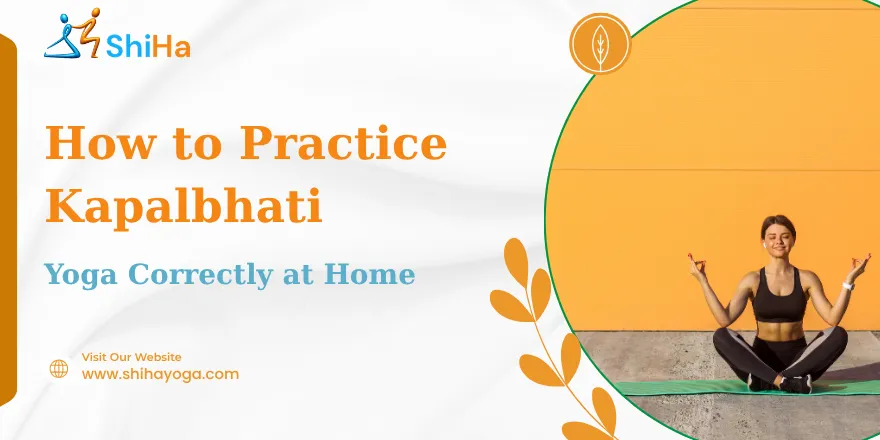
The right Kapalabhati yoga position helps to make the yoga breathing safe and effective. Keep the Spine Straight In the Kapalbhati yoga breathing exercise, to the inhaling/exhaling of the breath, it is important to have an erect spine so that the air flows easily through your body. Relax the Shoulders Do NOT raise or tighten shoulders. The motion should be from the core of the body (abdomen). Don't strain your face muscles. While practising kapalbhati pranayama yoga, your jaw, eyes and forehead should be relaxed. Stable Sitting Position The best Kapalbhati yoga pose should be the one in which you don't feel any strain and you are comfortable. Any easy seated position is acceptable (Easy Pose, Lotus Pose or any other seated position that is stable mentioned). While performing a correct pose during kapalbhati yoga facilitates concentration and enables you to reap more benefits from the exercise.
Understanding Kapalbhati Yoga Breathing Technique
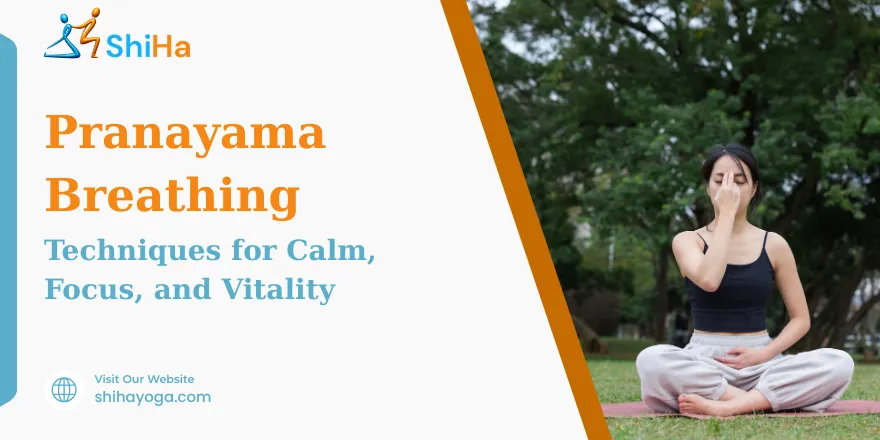
Breathing as prescribed in kapal bhati yoga is the essence to focus upon. A lot of new kids on the block put too much of an emphasis on inhaling. Most often, the exhalation is the part of kapalbhati yoga which works. During practice: * Inhale naturally. * Blown nose breathing. Strong nose exhaling. * Contract the stomach towards the midline on an exhale. * Allow breathing to take place naturally. The rhythm relaxes and is comfortable. Do kapalbhati yoga at a relaxed pace rather than fast. With proper kapalbhati yoga breathing, one can gain more confidence and provide overall progress in the practice. Kapalbhati pranayama yoga can be easily performed and becomes natural to you when trained regularly.
Kapalbhati Pranayama Yoga for Beginners
To begin with, a yogic technique such as kapalbhati pranayama at home might seem difficult at first; it does not have to be. With something like kapalbhati pranayama yoga at home, it may seem like a struggle in the beginning, but it doesn't have to be. Start Slowly Start with 1 or 2 minutes, to begin with. The length of time can be extended gradually with increases as you get used to it. Focus on Technique It's far more significant to be able to undertake the proper kapalbhati yoga breathing rather than the quantity of breaths that can be taken. Stay Consistent With daily practice, kapalbhati yoga benefits are experienced over the long term. combination with Simple Yoga Practice To learn yoga poses for beginners, it is useful for the newbies to practice these poses in advance prior to performing the kapalbhati yoga. The gentle stretches help to loosen the body prior to sitting in the chair, and their activity also enhances the comfort level of sitting. Once kapalbhati pranayama yoga practised in a regular way can turn out to be an important exercise which can be beneficial for health.
Advantages of Kapalbhati Yoga for Daily Wellness
Many of the benefits of kapalbhati yoga are widely reported and encourage many people to practice the yoga throughout the world. Supporting awareness of breathing better Kapalbhati yoga has several benefits, one such being the heightened awareness of breathing patterns. Encourages Mental Alertness Rather a lot of practitioners say that after undergoing kapalbhati pranayama yoga sessions, they feel much more concentrated. Helps Build Discipline Daily Kapalbhati yoga induces practices of regularity and self-care. Easy Home Practice Kapalbhati yoga is a fit activity as compared with some other ones; it does not take much space or equipment. Incorporates other yoga practices. Combined with the regular stretching and mindful movement, the benefits of kapalbhati yoga become evident, much more pronounced. The benefits of kapalbhati yoga make it a good complement to numerous health programmes.
Common Mistakes to Avoid During Kapalbhati Yoga
By avoiding mistakes, using kapalbhati yoga can provide you with the maximum amount of benefits. Breathing Too Fast The following is a step-by-step explanation of the practice, only used by many novices. Those who practice kapalbhati yoga should learn to breathe properly and have control over it. Poor Posture It can cause discomfort and lack the effect if kapalabhati yoga is performed incorrectly. Forcing the Practice To avoid straining the body in learning the kapalbhati yoga. Practicing After a Heavy Meal Doing kapalbhati pranayama yoga should be done after emptying the belly so that the stomach is relatively empty. Ignoring Rest Periods Brief pauses break up the activity and allow the body to rest to keep it comfortable. You can prevent these pitfalls and reap more of the benefits of kapalbhati yoga over time.
Best Time to Practice Kapalbhati Yoga at Home
It is possible to affect an experience by choosing the appropriate time for kapalbhati yoga. Early Morning The human mind is fresh and focused in the morning, and this is the reason why many yoga practitioners prefer to come for yoga sessions during the morning. Before Meditation The energising effect of kapalbhati pranayama yoga can prepare the mind for meditation. On an Empty Stomach Doing kapalbhati yoga breathing before eating, it's frequently much easier to feel comfortable. Regular Schedule It is not important to do it right at the moment; it's important to do it consistently. When scheduling, consider the time of day that is best suited to fit into your daily schedule and wherein regular practice can occur. This means you'll be able to reap the most benefits of kapalbhati yoga and be able to make it a habit.
Creating a Simple Home Routine with Kapalbhati Yoga
It's not complicated to have a balanced home practice. A practice round something like this: * Start by doing some simple stretching. * Do yoga poses for beginners for 5-10 minutes. * Come to the appropriate Kapalabhati yoga posture. * Try out several rounds of kapalbhati yoga breathing. * Sit quietly and watch your breath. * Conclude with some moments of relaxation. It also promotes for the beginning practitioners to have a fun time with both movement and breathing practices in one. A mix between stretching and Kapalbhati pranayama yoga makes for overall wellness and can help gravitate toward a lengthy consistency.
Final Thoughts
The first important step in creating a simple and effective yoga breathing practice is understanding ‘kapalbhati yoga’. With knowledge of how to do kapalbhati yoga correctly, consistency of posture, and mindful breathing, a beginner can gain confidence and consistency at home. The popularity of many benefits of the kapalbhati yoga benefits stem from the ease of its practice, the potential for accessibility of the individuals, and its beneficial role in their daily life routines. Regular kapalbhati pranayama yoga practice can help improve awareness, focus, and breathing habits. The many advantages of kapalbhati yoga make it a valuable addition to a balanced yoga lifestyle. From first to intermediate level, kapalbhati yoga can be one of the significant steps towards a healthy life, whether you are a yoga beginner or already some years deeper into the study of the Yoga Poses for Beginners.
Frequently Asked Questions About Kapalbhati Yoga
1. What is Kapalbhati Yoga?
Kapalbhati yoga is a kind of breathing practice in yoga, but it feels kind of simple too. It usually uses quick forceful exhalations through the nose, and it can support better lung movement, along with focus and everyday vitality.
2. How long should beginners practice Kapalbhati Yoga?
Beginners can try 1 to 3 minutes per day. Then, as you get more familiar with it, you can extend the time slowly, ideally with a teacher’s direction.
3. What is the best time to do Kapalbhati Yoga?
Early morning is often best, and it’s better when you practise on an empty stomach. Also, a calm atmosphere helps you concentrate on the breathing rhythm without too much distraction.
4. Can I practise Kapalbhati Yoga at home?
Yes, you can practise Kapalbhati Yoga at home safely. Just sit in a comfortable pose, keep the spine upright and straight, then follow the breathing method carefully.
5. What are the main benefits of Kapalbhati Yoga?
Kapalbhati yoga may improve breathing ability, increase energy, help with concentration, and leave you feeling refreshed when practised regularly and correctly.
6. How many rounds of Kapalbhati Yoga should I do daily?
For most beginners, it is normal to start with 2 to 3 rounds, and each round is around 20 to 30 breaths. After that you can slowly raise the count, based on your comfort and how your body responds.
7. Is Kapalbhati Yoga good for beginners?
Yes, Kapalabhati yoga works well for beginners when done slowly and with correct form. Learning the right method helps you gain results with more safety, instead of pushing too hard.
8. What is the correct breathing method in Kapalbhati Yoga?
In Kapalbhati Yoga, exhalation is active and strong through the nose, while inhalation comes on its own naturally, without extra pulling or force.
9. Can Kapalbhati Yoga be practised every day?
Yes, many people practise it daily. When it becomes a routine, you may notice consistency and long-term wellness benefits over time.
10. What mistakes should I avoid during Kapalbhati Yoga?
Don’t breathe too quickly, don’t force the stomach movement, keep posture aligned, and avoid doing it right after a heavy meal. Also, if something feels uncomfortable, pause and don’t push through it.