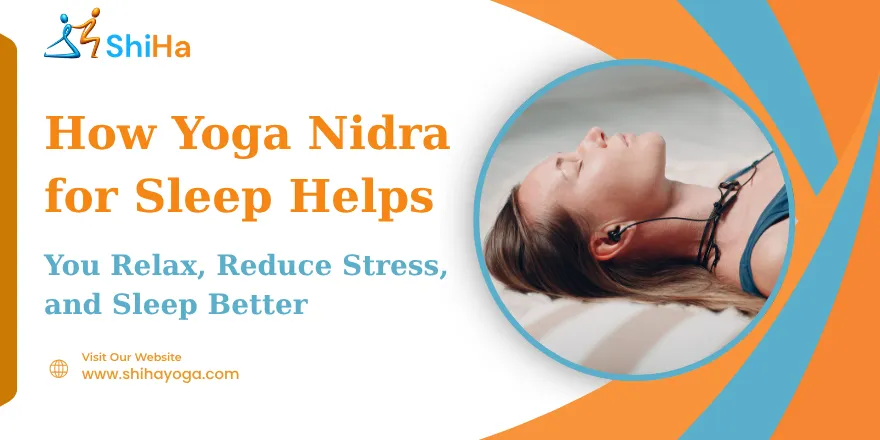
How Yoga Nidra for Sleep Helps You Relax, Reduce Stress, and Sleep Better
Most people can find that their day concludes with feeling fatigued, stressed or as if they do not sleep as they would like. A mind active day could seem like this if any of the four elements of work, family, school, and daily responsibilities have been active. Yoga Nidra sleep is also a very simple relaxation technique which is used to release the mind before sleeping. Flexibility and experience with yoga are not necessary. All you need is a place where it's quiet and a couple of minutes that are peaceful. This gentle practice is now becoming part of many Australians' evening routine, as it can help them relax and get up the next morning feeling fresh.
When Your Body Is Tired but Your Mind Is Awake
Ever come to bed feeling sleepy and then wonder about this and that? Give yourself some time to think about something you did today or about your family or work. This makes it difficult to fall asleep.
Your body wants sleep, and your brain wants to keep going. Rather than trying to go to sleep, try to let the body wind down naturally. Using slow breath and deep relaxation and stillness tells your nervous system that you are safe to lay down and relax.
For this reason, many prefer simpler ways to relax at bedtime rather than strain their eyes and eyeballs on their phones or TVs.
What Is Yoga Nidra for Sleep?
Sleep yoga is a relaxation based yoga exercise to get a deep sleep, with your mind becoming calm but your body resting. The typical position is lying down on one's back with eyes closed and listening to a teacher's voice.
While you are still conscious in your sleep, your body relaxes more. Each area in your body is allowed to relax.
The practice can be done by:
- Busy parents
- Office workers
- Students
- Older adults
- Beginners
Anyone who finds it difficult to get some rest at night
There are no special clothes or equipment necessary. Any yoga mat, blanket or even you on your bed is fine.
Why Nidra Yoga for Sleep Feels Different
Breathing is, in many relaxation techniques, the sole focus. During nidra yoga for sleep, the practice takes you through various aspects of your body. Each area that you are aware of relaxes in your muscles.
Suppose that you carry your school bag all day and put it down heavily on the floor after the end of the day. Your shoulders get much lighter. It's similar, in Yoga Nidra, in your body.
People often notice:
- Slower breathing
- A quieter mind
- Less body tension
- Gentle relaxation
- Being relaxed before a bedtime
The more, the better in terms of recognising it is time to get some rest.
A Gentle Evening Routine, Everyone Can Do
It is not hard to establish healthy nighttime routines. There are many little tweaks that make a difference to sleep.
The following is a basic evening plan:
Step 1: Turn Off Screens
Avoid using phones, tablets and television within 30 minutes of sleep. You can keep your brain working with illuminated screens.
Step 2: Make Your Room Comfortable
Reduce lights, keep the room cool, and ensure a comfortable pillow or blanket.
Step 3: Practising Nidra Yoga for Sleep
While lying down comfortably, listen to a brief (15-30 minutes) Yoga Nidra session.
Step 4: Drift Naturally
Don't fear that sleep will take too long to come. Just lie back and relax.
As the days pass, your bedtime ritual eventually becomes anticipated each night.
How Yoga Nidra for Deep Sleep Helps Your Body Recover
Good sleep is sleep during which the body heals. As you sleep deeply, your muscles get some rest time, your energy levels are replenished and your brain takes time to digest what you learnt during the day.
Yoga nidra for deep sleep helps in this process by enabling your body to relax prior to going to sleep.
It is that many people find it offers them benefits, like:
- Feeling refreshed in the morning
- More energy for after work hours
- Better concentration
- Spread a bit more lenience and tolerance towards family and friends
- Improved daily energy
However, even people who do not sink into sleep while on the session experience deep relaxation in the body.
Small Daily Habits That Make Sleep Better
Getting to sleep is not the only component of healthy sleep. Every decision that you make during the day counts, too.
Follow these simple tips:
- During the daytime take a walk outdoors.
- Drink enough water.
- Eat one or two hours before it's time.
- Don't overdo caffeinated beverages during the late hours.
- Stretch slowly prior to sleep.
- Take several relaxing minutes away from thinking.
Many Australians combine all of these healthy activities with the benefits of daily yoga, thereby developing a healthy lifestyle for their physical bodies and mental health.
How Yoga Nidra for Sleep and Anxiety Brings Calm
Occasionally, you feel anxious for no specific reason. The dark side of work, family, school, or daily activities can have an even darker effect on the mind late at night.
Yoga nidra for sleeping and anxiety helps to slow down and calm down your breathing. Your nervous system starts relaxing as you go through slower breathing.
Whereas Yoga Nidra explores ways to awake and observe, it encourages you to not try to control your thoughts.
With regular practice, many people report:
- Going to sleep on a more peaceful note
- Experience a better sleep at night
- Easier relaxation
- More peaceful evenings
- Better emotional balance
It's an easy way to provide calm times on busy days.
Why Consistency Matters More Than Long Sessions
Many beginners feel that they should go for an hour of yoga before the results come. That is not true.
Often it's better to practise for 15 or 20 minutes several nights a week than to do one particularly long practice once a month.
Simple things become a way of life. Once more, your body begins to release on a more regular basis due to the recognition of a familiar pattern.
This kind of resembles brushing your teeth on a regular basis. Its practice becomes comfortable since you do it frequently.
Identify elements of a comfortable space at home.
The special yoga room is not required.
A calming area of your house is ideal.
You may like to use:
- A soft yoga mat
- A folded blanket
- Comfortable clothing
- A small pillow
- Gentle lighting
- A quiet room
Don't overindulge in colours and patterns. The objective is to be comfortable, not perfect.
How Yoga Nidra Supports a Healthy Lifestyle
Most aspects of life are affected during sleep.
Lack of adequate sleep may make you feel sad, unmotivated and forgetful and certainly make you feel tired and lack energy throughout the day.
Those who love and practice Yoga and philosophy are also about to love and practise yoga nidra due to its slow-kind instructions, awareness and focused attention towards both body and mind.
Although long-capping and getting work done quickly remains a desire, one learns to give oneself permission for rest.
That bit of change which can make days easier.
Simple Tips for Beginners
If you are new to Yoga Nidra, remember these easy ideas:
Listen Without Pressure
No single "right" or "wrong" method of practice.
Stay Comfortable
If lying on the floor isn't comfortable, as long as you don't have one, practise on your bed.
Keep Breathing Naturally
You do not have to try to regulate all breaths.
Practise Regularly
Regular short sessions often are more effective than longer sessions, but these will need to be repeated frequently.
Be Patient
Everyone relaxes differently. Take time to enjoy the process!
To have a happy ending for each day.
It's easy to get busy in life, and many people get caught up in the idea of resting less. Relaxing prior to sleep decreases the body's pace, very much without exertion or driving. Soothing evening habits can contribute to putting you in a better mood during the day with which to start your morning. As you practise, you will find peaceful nights somewhat easier, and you will feel refreshed, balanced and ready for a new day.