Feb 28, 2026
Yoga for Varicose Veins: Simple Poses to Improve Blood Circulation
Varicose veins are a widespread but often uncomfortable condition that affects many people, especially those who spend long hours standing or sitting. Yoga for varicose veins offers a gentle, non-invasive way to manage symptoms. Through targeted yoga poses, you can improve blood circulation, reduce swelling, and support long-term vein health.
This comprehensive guide covers essential techniques, effective poses, daily routines, and lifestyle tips to help you understand how yoga poses for varicose veins and even a simple yoga mudra can restore balance in your body.
Understanding Varicose Veins
Varicose veins occur when the walls of the veins weaken and their valves stop functioning properly. This causes blood to pool in the veins instead of flowing smoothly back to the heart.
They commonly appear in the legs because leg veins must work against gravity to push blood upward. When the valves weaken, blood accumulates in the lower extremities, leading to swelling and bulging veins.
Common Symptoms
- Heaviness in the legs after long hours of standing or sitting
- Night cramps or restless legs
- Skin discoloration around the veins
- Increased discomfort in hot weather
- Fatigue even after minimal exertion
Risk Factors
- Sedentary lifestyle
- Aging
- Pregnancy
- Hormonal imbalance
- Lack of movement or regular exercise
Regular yoga practice can be an effective natural solution as it promotes movement and significantly improves blood circulation.
How Yoga Improves Blood Circulation
Yoga goes beyond stretching — it deeply impacts muscles, joints, and the circulatory system.
- Enhances Venous Return: Poses that elevate the legs help move blood back toward the heart.
- Strengthens Leg Muscles: Stronger muscles provide better support to the veins and reduce pressure.
- Reduces Inflammation: Gentle stretching decreases stiffness and swelling.
- Improves Oxygen Flow: Deep breathing exercises enhance oxygenation in the body.
- Balances the Nervous System: Stress can worsen circulation issues. Yoga calms the mind and improves overall function.
Best Yoga Poses for Varicose Veins
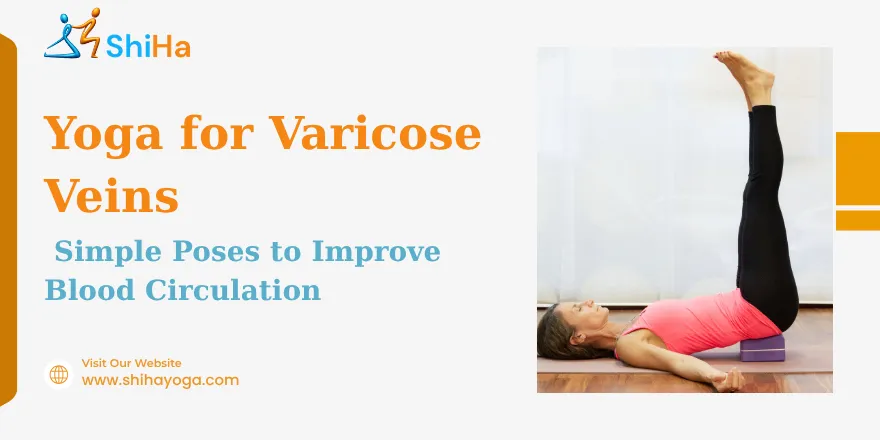
1. Viparita Karani (Legs Up the Wall Pose)
One of the most effective and beginner-friendly poses for varicose veins.
How to Practice:
- Sit against a wall on your side.
- Lie down and gently swing your legs up the wall.
- Bring your hips close to the wall.
- Keep your spine neutral and relaxed.
- Close your eyes and breathe easily.
Advanced Tip: Place a cushion under your hips for support.
Benefits: Relieves pressure from leg veins, improves lymphatic drainage, minimizes swelling and fatigue, and relaxes the nervous system.
2. Mountain Pose (Tadasana)
A foundational pose that improves balance and posture.
Steps:
- Stand straight with feet together.
- Engage your thighs and lift your kneecaps.
- Keep shoulders relaxed.
- Distribute your weight evenly on both feet.
Benefits: Improves body awareness, encourages proper alignment, and gradually strengthens leg muscles.
3. Forward Bend (Uttanasana)
This pose mildly inverts the body to improve blood flow.
Safe Procedure:
- Bend from the hips, not the lower back.
- Keep knees slightly bent if needed.
- Let your head hang freely.
Benefits: Reduces pressure in the lower extremities, enhances circulation, and soothes back and leg pain.
4. Shoulder Stand (Sarvangasana)
An excellent inversion for experienced practitioners.
How to Perform:
- Lie on your back.
- Lift your legs and hips upward.
- Support your back with your hands.
- Keep legs straight and aligned.
Benefits: Increases blood circulation toward the heart and improves vein strength and elasticity.
Caution: Avoid if you have neck pain, high blood pressure, or are a beginner.
5. Butterfly Pose (Baddha Konasana)
A gentle and relaxing hip opener.
Steps:
- Sit with a straight spine.
- Bring the soles of your feet together.
- Hold your feet and gently flap your knees up and down.
Benefits: Enhances blood flow to the lower body, stretches hips and thighs, and reduces stiffness.
6. Bridge Pose (Setu Bandhasana)
A supportive backbend that strengthens the body.
Steps:
- Lie on your back with knees bent and feet hip-distance apart.
- Lift your hips upward.
- Hold the position while breathing steadily.
Benefits: Strengthens the back and legs, improves blood flow, and supports vascular health.
7. Cat-Cow Pose (Marjariasana-Bitilasana)
A dynamic movement that boosts circulation.
Steps:
- Inhale: Arch your back (Cow Pose)
- Exhale: Round your back (Cat Pose)
Benefits: Improves spinal flexibility, stimulates circulation, and relieves tension.
Yoga Mudra for Varicose Veins: Apana Mudra
Apana Mudra is highly beneficial for varicose veins as it promotes detoxification and better circulation.
How to Practice:
- Sit in a comfortable pose.
- Bring the thumb, middle finger, and ring finger together on each hand.
- Keep the index and little fingers extended.
- Rest your hands on your knees.
Practice Duration: 15–20 minutes daily, ideally during meditation.
Benefits: Enhances detoxification, improves blood circulation, supports digestive health, and helps alleviate leg heaviness.
30–40 Minute Daily Yoga Routine for Varicose Veins
Warm-Up (5–7 minutes)
- Gentle ankle rotations
- Leg stretches
- Deep breathing
Main Practice (20–25 minutes)
- Tadasana – 3 minutes
- Butterfly Pose – 5 minutes
- Cat-Cow Pose – 5 minutes
- Forward Bend – 3 minutes
- Bridge Pose – 5 minutes
Relaxation (10 minutes)
- Legs Up the Wall – 5–10 minutes
- Apana Mudra – 5 minutes
Lifestyle Changes to Enhance Results
Daily Habits
- Walk for 20–30 minutes daily
- Take regular breaks during long sitting or standing periods
- Elevate your legs when lying down
- Wear compression stockings as needed
Diet Tips
- Eat fiber-rich foods
- Reduce salt intake
- Drink plenty of water
- Add more vegetables and fruits to your diet
If you prefer guided sessions, consider joining the best online yoga classes to learn proper alignment and safe techniques.
You can also explore more Different Yoga Poses to create a complete routine that supports flexibility, strength, and better circulation.
Common Mistakes to Avoid
- Holding your breath during poses
- Overstretching the muscles
- Skipping warm-up
- Practicing inconsistently
- Ignoring pain signals
Precautions – Who Should Be Careful?
Although yoga is generally safe for varicose veins, take precautions if you have:
- Severe vein problems
- Pregnancy (consult your doctor first)
- Existing injuries
- High blood pressure (avoid strong inversions)
How Long Does It Take to See Results?
- Short-Term (2–3 weeks): Reduced swelling and improved comfort
- Long-Term (2–3 months): Better circulation, stronger leg muscles, and improved vein health
Why Choose Yoga Over Other Treatments?
Yoga offers a holistic approach compared to temporary treatments. Key advantages include:
- No side effects
- Improves overall health
- Cost-effective
- Can be practiced at home
- Enhances mental wellness
Beginner-Friendly Tips
- Start with basic poses
- Practice regularly
- Focus on proper breathing
- Use props (cushions, walls) if needed
- Be patient and persistent
Conclusion
Managing varicose veins doesn’t need to be complicated. Dedicated practice of yoga for varicose veins, along with effective yoga asanas and mudras, can significantly enhance blood flow, reduce pain, and support vein health for life.
Combining simple yoga poses with daily Apana Mudra creates a natural self-healing process in your body. With patience, consistency, and healthy lifestyle habits, you can experience slow but lasting improvement.
Begin your journey today and give your legs the care they truly deserve.
Frequently Asked Questions (FAQs)
1. Is yoga a good remedy for varicose veins?
Yes, yoga can enhance blood flow, strengthen leg muscles, and reduce swelling. While it may not completely eliminate varicose veins, consistent practice helps control symptoms and prevent further deterioration.
2. What are the best yoga poses for varicose veins?
Effective poses include Legs Up the Wall (Viparita Karani), Butterfly Pose, Bridge Pose, Forward Bend, and Mountain Pose. These postures promote circulation and relieve tension in the legs.
3. How often should I do yoga for varicose veins?
Practice at least 4–5 times a week. A daily 20–30 minute routine gives better results, especially when combined with healthy lifestyle habits.
4. Is it safe for beginners to practice yoga for varicose veins?
Yes, beginners can safely practice by starting with simple poses and avoiding complex inversions. Take it slow, use proper technique, and always listen to your body.
5. Is there any yoga mudra for varicose veins?
Yes, Apana Mudra is very effective. Practicing it for 15–20 minutes daily helps improve circulation, supports detoxification, and reduces heaviness in the legs.
6. How long does it take to see results from yoga?
Results vary, but you may notice reduced swelling and pain within a few weeks. Long-term benefits like improved circulation usually appear after 2–3 months of regular practice.
7. Are inverted poses safe for varicose veins?
Mild inversions like Legs Up the Wall are safe and beneficial. However, advanced inversions should only be attempted under expert guidance, especially if you are a beginner or have health concerns.
8. Can yoga cure varicose veins permanently?
Yoga cannot completely cure varicose veins, but it greatly alleviates symptoms. Regular practice improves the function of affected veins and helps prevent new ones from forming.
9. What lifestyle practices should I follow along with yoga?
Stay active, take breaks from prolonged sitting or standing, stay hydrated, eat a balanced diet, and elevate your legs regularly to improve circulation.
10. Do I need to consult a doctor before starting yoga?
Yes, especially if you have severe varicose veins or other medical conditions. Consult your doctor before beginning to ensure safety and get guidance on suitable postures.