Feb 28, 2026
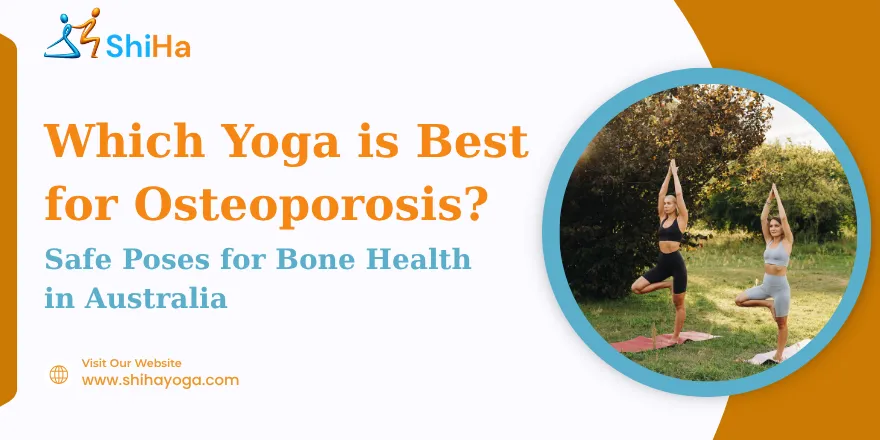
Which Yoga is Best for Osteoporosis?
Osteoporosis incidence is increasing in the elderly particularly in females 50 years. Having weak bones, bad posture and low bone density will make it difficult to complete daily tasks, as well as leading to a higher likelihood of breaking a bone. People throughout Australia are keen to find healthy opportunities to encourage bone strength and yoga will be one of the healthier possibilities they have at their disposal. Among the numerous types of yoga, some are more suitable and safer to practice in relation to osteoporosis than others; if you're unsure of which type of yoga is right for you, look for styles that focus on strengthening the muscles, flexibility, posture and balance without adding undue strain on the bones.
Yoga for osteoporosis is not difficult poses – not too much stretch. It's about transferring movement, being aware of your breath and cultivating stability. Yoga can be performed regularly to help increase the range of movement, maintain a healthier spine and decrease fall risk. Yoga can also come down to one practised simple daily asana for those Australians suffering from osteoporosis, easing a way to improve mental and physical health.
You'll find here a list of the best yoga styles for osteoporosis, safe yoga poses for bone health, which yoga poses to avoid, benefits of yoga for osteoporosis and beginner's tips for safe yoga.
Understanding Osteoporosis and Why Movement Matters
Osteoporosis refers to the thinning, weakening and increased risk of the bones fracturing. Typically it occurs in the hips, back and wrist. Australian Health reports show that there are a high number of older people, and in particular, menopausal women suffering from osteoporosis.
Many people think exercise can be dangerous after they get osteoporosis. But light exercise is essential for bone and muscle strength. Yoga is helpful, as it integrates weight bearing motion, balance and posture work to improve.
Yoga can be useful in helping to:
- Develop balance and co-ordination skills.
- Support better posture
- Help strengthen the muscles around the joints
- Reduce stiffness
- Increase flexibility safely
- Gain more self-assurance when moving around
- Lower stress levels
The secret is to select the right kind of yoga and avoid certain poses that are dangerous.
Which Yoga Is Best for Osteoporosis?
Gentle slow tempo and stability trumps extreme flexibility, and that's the best yoga for osteoporosis. Some Yoga studios are better as they allow less stress on the spine and joints.
1. Hatha Yoga for Strong and Healthy Bones
Among all types of yoga, hatha yoga is one of the safest to practice for those who are not only your beginners but older. It's all about gentle slow movements, breathing in and out and holding poses.
Hatha yoga's benefits consist of:
- Improves posture
- Supports joint mobility
- Builds balance gradually
- Reduces stress
- Assists auxiliary muscles to build up their strength
Most classes offered in Australia are of Hatha Yoga type as it is easy to adapt the movements to optimise them to be osteoporosis friendly.
2. Iyengar yoga for Bone Strength
Yogas are frequently advocated for osteoporosis, as they involve props like blocks, straps, and chairs to support the body.
In this style this emphasis is placed on:
- Proper body alignment
- Controlled movement
- Safe posture correction
- Stability during poses
It is useful especially for seniors or those who have a fracture to benefit from the practice of Iyengar yoga.
3. Restorative Yoga for Osteoporosis
Restorative yoga uses cushions and bolsters to fully support the body during poses. Gentle, calming and perfect for those who have pain or limited mobility.
This may be a helpful type of yoga:
- Reduce muscle tension
- Improve relaxation
- Support gentle flexibility
- Improve breathing
Restorative yoga is great for people new to practicing yoga and seeking gentle yoga.
4. Chair Yoga for Seniors With Osteoporosis
Chair yoga is gaining in popularity throughout Australia, and is seen as a means to make yoga more accessible. For those who lack balance, activities can be carried out sitting or with a bit of support.
Chair yoga helps:
- Improve circulation
- Reduce stiffness
- Build confidence
- Improve posture safely
It is suitable for senior citizens new to yoga.
Best Yoga Poses for Osteoporosis
Choosing the right yoga poses is very important. Safe poses should sustain the spine while enhancing stability without going beyond reasonable twists and bends.
Mountain Pose (Tadasana)
Mountain posture gives an awareness of posture and body.
Benefits:
- Strengthens legs
- Improves spinal alignment
- Builds balance
How to do it:
- Place feet hip distance apart
- Keep shoulders relaxed
- Lengthen the spine
- Breathe deeply
This basic pose will set up good posture habits.
Tree Pose (Vrikshasana)
Tree pose is a form of balance and coordination exercise.
Benefits:
- Builds low body strength
- Improves focus
- Helps prevent falls
Make use of the support of a wall, or a chair.
Bridge Pose (Setu Bandhasana)
This Bridge pose stretches and tones the back and hips.
Benefits:
- Supports spinal muscles
- Strengthens glutes
- Improves posture
Take and lift steady steps and don't lift too high.
Cat-Cow Stretch
Cat-cow movements help to gently increase the mobility of the spine.
Benefits:
- Reduces stiffness
- Improves flexibility
- Encourages better posture
If there is osteoporosis in the spine, don't round the back to the extent of deep getting into the spine.
Warrior II (Virabhadrasana II)
Warrior II helps build lower-body strength.
Benefits:
- Strengthens legs
- Improves stability
- Builds endurance
Maintain control of movements and don't over stretch.
Child’s Pose (Modified)
Gentle supported child's pose can help to relax the body.
Benefits:
- Reduces stress
- Releases tension
- Encourages deep breathing
Use cushions or yoga blocks for support.
For beginners, it's important to earn confidence in the practice and increase flexibility in a safe way with the Easy Yoga Poses before attempting more formal yoga poses that are beneficial in reducing the risk of osteoporosis.
Yoga Poses to Avoid With Osteoporosis
Some yoga poses are not suitable for osteoporosis. Some exercise activities may pose an increased risk of fracture, particularly the spine.
Stay away from these postures, unless a qualified Yoga Therapist or health care professional has indicated they are safe to do:
Deep Forward Bends
Excessive forward bending will put stress on low strength vertebrae.
Avoid:
- Standing toe touches
- Seated forward bends
Twisting Poses
Torsion may occur when twisting is done aggressively and cause a strain to the spine.
Avoid:
- Deep seated twists
- Forceful spinal rotations
High-Impact Movements
High risk of falls due to jumping or quick movements.
Avoid:
- Intense power yoga
- Fast-paced vinyasa classes
Extreme Backbends
A deep backbend could help to compress the spine.
Avoid:
- Wheel pose
- Upright Camel pose with help.
Never practice yoga without taking safety into consideration with regards to osteoporosis.
How Yoga Supports Bone Health Naturally
Yoga itself cannot cure osteoporosis, but can promote overall bone health in a few ways.
Improves Muscle Strength
Powerful muscles add support to weak bones, decreasing strain on joints.
Supports Better Balance
One of the primary worries in regard to osteoporosis is falls. The benefits of yoga on improving coordination and stability.
Encourages Better Posture
Any poor posture can cause compression of the spine. Yoga exercises provide a gentle stretching of the spine and builds strength.
Reduces Stress
Over time, stress can have a detrimental impact on health and confidence of movement. Yoga helps in relaxing the mind and maintaining its well-being.
Encourages Regular Movement
Having constant power is more important than having a lot of power. Practicing gentle yoga enables people to be active on a regular basis.
Does Yoga boost bone density (strength)?
Exercise that involves body weight could be beneficial to bone health, research shows. Some of their yoga postures are designed to gently utilize muscles and bones with the aid of the weight of one's body.
Though yoga can't necessarily prevent bone density loss, it can be adopted into a healthy life style along with all of the following:
- Calcium-rich foods
- Vitamin D
- Strength exercises
- Walking
- Medical guidance
A large number of Australians practice yoga to complement the therapies they receive and a healthy diet.
Tips for Practising Yoga Safely With Osteoporosis
Start With Professional Guidance
Attend special classes for beginners, ideal for older adults or someone who has been diagnosed with osteoporosis.
Inform Your Instructor
Let your Yoga teacher know of any ailment before classes start.
Use Props
There is ample block, strap, chair and cushion to minimize strain & safety.
Avoid Pain
You should never feel pain while performing yoga! While it's OK to move around a bit, if it hurts, you should know that it's not normal.
Focus on Alignment
Correct posture, rather than flexibility, is more important.
Move Slowly
When moving the risk can be minimized.
Practise Consistently
Frequency of the workout sessions is better if they are short, regular sessions than with infrequent heavy sessions.
Best Time to Practise Yoga for Osteoporosis
Many people enjoy doing yoga in the morning as it not only enhances the flow of energy in their body, but also helps ease stiffness after longer bouts of the night. The best time is however, when you are able to practise as regularly as you can.
Gentler yoga classes are often best in the morning or evening and will be quite easy on the body for those older adults in Australia.
Aim for:
- 20 - 40 minutes per session
- 3 - 5 days per week
- The rhythm, quality and pace of movement
Yoga and Osteoporosis for Older Women
After menopause women are more likely to suffer osteoporosis because of their hormones. For women, yoga can be helpful in enhancing their:
- Core strength
- Balance
- Confidence in movement
- Stress management
- Flexibility
Yoga can also be beneficial in minimizing older adults' fear of falling, partly as a result of the gentle movement.
Easy Yoga poses at home that use yoga and at home together can make a safe daily practice for old women to allow them to continue to cope with long term mobility and independence.
Should Seniors With Osteoporosis Practise Yoga Daily?
However, any yoga that is done properly and softly, each day may be beneficial. Mobility and muscle support will stay consistent, when following this consistency.
But, sleep is significant, too. The body requires recuperation and particularly so for the elderly.
A balanced weekly routine may include:
- Gentle yoga
- Walking
- Light strength training
- Stretching
- Breathing exercises
Please ask your health care professional for recommendations before beginning a program of physical activity, particularly if you have broken bones or surgery.
What to Look for in an Osteoporosis Yoga Class in Australia
If you want to take yoga classes in Australia, pick yogis who are knowledgeable on leading yoga classes with seniors or therapeutic yoga.
Look for classes that mention:
- Gentle yoga
- Chair yoga
- Senior yoga
- Hatha yoga
- Restorative yoga
- Bone health yoga
Don't do any classes where there is too much emphasis on flexibility or quick movements.
In addition, online yoga classes might prove beneficial to those in smaller Australian towns and regions.
Final Thoughts
Gentle yoga formats and yoga that are supportive like Hatha and Reba Yoga, Iyengar Yoga, restorative yoga and chair yoga, are considered to be some of the safest yoga styles and are some of the most effective types of yoga for osteoporosis. These styles emphasize focusing on balance and posture, muscle strength and conscious movement, without undue stress on weak bones.
Yoga for osteoporosis is NOT meant for extreme flexibility and/or hard poses. It's all about confidence, stability and making it safe for long-term mobility. Yoga can play a significant role in maintaining a healthy lifestyle for Australians with osteoporosis when taught right and practised consistent yoga will help them.
If you're starting out slowly, have some props for support and concentrate on using safe movements, then you'll reap the benefits of yoga without the risk to your bones. A gentle yoga session can be beneficial for individuals that are novices or exercising later in life as they develop both their body strength and general wellbeing in a natural way.
FAQs About Yoga for Osteoporosis
1. Which yoga is the safest for osteoporosis?
Usually gentle styles like Hatha, Iyengar, chair yoga, and restorative yoga are the safest options . They help with balance, posture and overall body strength, but without putting too much stress on the spine . It’s kind of like giving the skeleton a calmer routine.
2. Yoga can promote bone health naturally if done the right way.
Some of the benefits of yoga to the bones include newly developed muscle strength, posture and balance. When taken along with the proper nutrition and exercise it can help keep your bones healthy.
3. Does Yoga prove to be helpful or better than walking in case of osteoporosis?
There are several ways both yoga and walking promote bone health. While walking will increase weight bearing activity, yoga will build muscle strength, flexibility and balance, and posture for every day activity.
4. For those suffering from osteoporosis what are the poses they should avoid doing?
Deep bends, twists, high impact and advanced yoga postures like backbends that stress the weak bones of the spine should be avoided by people with osteoporosis.
5. Can seniors with osteoporosis practise yoga every single day?
Yes, seniors can take gentle yoga every day as long as these are activities and movements that are safe and controlled. Occasionally, just short balance and flex exercises and those with breathing focus, are most helpful.
6. Is chair yoga good for osteoporosis ?
Chair yoga is good for osteoporosis, in fact it can be excellent because it gives support while you move, helps mobility, strengthens muscles in a mild way and lowers the odds of falls or other injury.
7. How long should osteoporosis yoga sessions last?
For most beginners, 20 to 40 minutes per session is a good range . Doing it three to five times weekly is usually enough to build flexibility, improve balance, and increase movement confidence , in a safe way .
8. Does yoga help reduce back pain from osteoporosis?
Gentle yoga can sometimes ease back discomfort linked to osteoporosis . It tends to improve posture , strengthens the supporting muscles, and reduces stiffness with controlled stretching plus mindful breathing exercises . The idea is to move carefully, not push through pain .
9. At what age would you start Yoga, if you did, for the health of the bones?
While yoga can be helpful to bone health throughout one's life, starting in the middle years and possibly even earlier can be advantageous in avoiding the need for certain medications and facilitate the maintenance of healthier bones naturally and better long-term bone mobility.
10. Is it advisable to get medical advice prior to beginning yoga during osteoporosis treatment?
Yes, it is important to have a medical check-up or a visit to a doctor or physiotherapist, prior to starting a yoga session, particularly in the case of severe osteoporosis or having had a previous fracture, balance problems or even if there is existing pain in the joints.