
Feb 28, 2026
Why do yoga classes end with namaste every time ?
Yoga is not about stretches, breathing or holding challenging postures. A full-fledged practice that is holistic involving body, mind and emotions. Probably you have heard and used the word Namaste while you have taken yoga lessons in the UK, Australia or anywhere in the world! On the surface it appears to be just a "hello," but in the world of yoga, it is more of a reverent "hi" or "how are you?"It may sound like a simple "hello" to the layman, but in the yoga world, it's more of a "hi" or "how are you?".
Namaste is a word that is sung at the end of every yoga class, and often people ask themselves: “Why is it that Namaste is always the ending of every yoga class?” The solution is in the yoga tradition, in the consciousness of mindful awareness, in respect and in the bond formed in the class. In the yoga studios of today, across the UK, Namaste has evolved into a powerful and important mantra to use to conclude yoga practice, to connect with each other and with the universal life force, to show gratitude and to experience calmness.
Namaste' is an important word for yoga practitioners, novices and all others, to grasp the significance of Namaste and complement their yoga journey. This tiny word plays a large part in yoga classes and can have a big impact from improving mindfulness, to creating a peaceful atmosphere in your classes.
We will come to understand the significance of Namaste in yoga, why it is offered at the close of each class, its spiritual background and how it can help promote a healthy emotional state in today's world.
What Does Namaste Mean in Yoga?
Namaste is a Sanskrit word, which translates to "hello" or "good morning" in Hindi. It consists of two:
- Namas meaning "bow" or "respect.
- “Te” meaning to you
Namaste, when said together, means “I bow to you” or “The light in me honours the light in you.”
In yoga this "good-bye" is more than a goodbye. A nice thing to say is to acknowledge the spirit of giving, caring and compassion in another person. Namaste means to say thank you at the end of a class when yoga teachers thank students for having practiced with them.
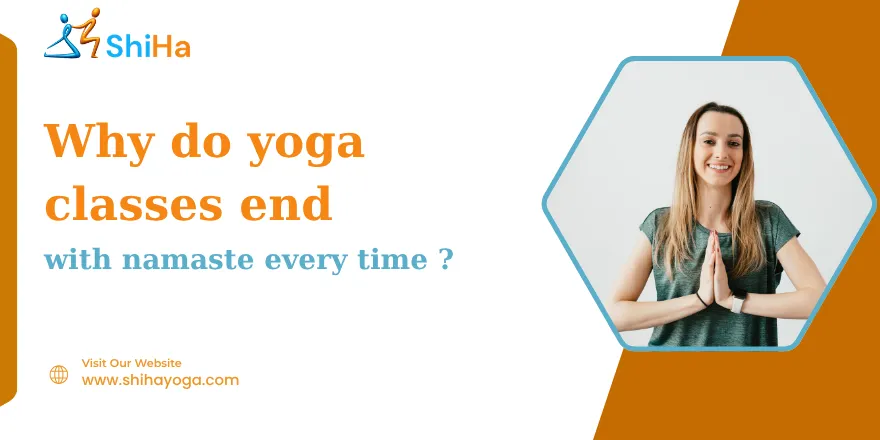
Namaste is also said by yoga teachers at the centre of their hearts with hands pressed together at many Yoga studios in the UK. This hand gesture is called Anjali Mudra which represents Unity and Gratitude.
Why Yoga Classes End With Namaste
1. It will create a peaceful ending
Typically yoga classes end with the relaxation and/or meditation session. Following the practice of breathing, movement and mindfulness, Namaste gently brings students back into the outside world, mindful.
The last few seconds of quiet practice can help pupils to become aware of how well they have practised. Namaste allows for a calming moment, rather than running out the door at the end of class.
They can be very invigorating for those who have an extremely hectic lifestyle such as those in large cities like London, Manchester or Birmingham.
2. It demonstrates good relationships with teacher
Tradition of the transmission of Yoga is from teacher to pupil. Namaste translates as "hello" and is used to express respect and appreciation to the other person(s).
The teacher honors students' work in class and the students express gratitude towards the teacher for teaching and coaching.
Contrary to numerous fitness courses, yoga pays special focus on linkage and being present. This is lovely exemplified in Namaste.
3. It Encourages Mindfulness
Mindfulness is one of the biggest benefits that you can get from doing yoga. In class students will practice breathing, posture and being in the present moment.
Namaste is the final word to remind everyone to bring that awareness beyond the mat and into life.
The practice of mindfulness is particularly significant now, as many individuals are under stress from work, mobile devices and high-speed lifestyles. Yoga and Namaste invites people to take a slow time out to reconnect with themselves.
4. It Remains Yoga Connected with its sources.
Yoga in the UK has grown in popularity by a great deal and is a favored pastime among a range of people wanting to discover methods to relieve stress, be more flexible and healthy. Namaste works towards maintaining the traditional essence of yoga, as the styles of yoga continue to be developed.
Yoga traces its origins to India over 5000 years ago when it was a spiritual and mental exercise and not physical pastime. They are reminded of the balance of the body and spirit with the word, Namaste.
The Spiritual Meaning of Namaste
Yoga is used by many people to gain fitness but it poses emotional and spiritual attributes as well.
Believing that everyone has positive energy and inner light, Namaste shows how to harness it. People show equality and connection with each other by bowing; and by bowing, they are showing respect.
This spiritual concept can be reassuring in our current society of people who feel disconnected and/or overwhelmed.
It doesn't matter if you are religious or not, you can enjoy Namaste. Today, people typically use it as a way of letting go of human connection, showing kindness and thanking, not as a religious ritual.
How Namaste Supports Mental Wellness
Today, a significant contributor to people's yoga attendance is mental health and emotional wellbeing. Namaste brings in the relaxation, emotional balance at the end of the practice because of these reasons:
Encourages Gratitude
Practicing gratitude can make you feel happier, less stressed. Namaste provides an opportunity for students to really appreciate themselves and others.
Reduces Anxiety
When the nervous system has been stimulated following activity and deep breathing, it is a good idea to end the class in a calm way.
Builds Positive Energy
The yoga community is known for its embracing and accepting nature. Namaste reinforces this sense of belonging and positive feeling.
Assists in being emotionally aware
People find that yoga helps them to control their emotions, concentrate and attain peace. The use of ending with Namaste gives students time to reflect quietly, prior to leaving class.
Do you need to use Namaste in each yoga class?
It is not imperative to finish yoga poses with Namaste in every class, particularly in the less traditional and more fitness oriented studios. In some classes, teachers may like to keep it simple with thank you notes or some moments of silence.
However, there are many teachers who still make use of Namaste as it helps to foster a meaningful and respectful environment.
Often the UK yoga teacher will modify his or her class for various groups of students. Namaste is explained to newbies, others use it organically as a part of their yoga.
In the end it is up to the individual and their decision as to whether to say Namaste or not.
The Difference Between Namaste and Goodbye
Many new yoga practitioners would believe that Namaste is the equivalent of saying goodbye, but that's not so.
Generally goodbye is simple and functional. Namaste has meaning to the emotions and the mind.
Namaste is a genuine way of treating people around us with respect, gratitude and acknowledgement.
This is because it is often used after meditation or the final relaxation session as a deeper meaning is present and experienced when it is used by yoga teachers.
How Namaste Fits Into Modern Yoga Culture in the UK
In the past few years, yoga has been gaining immense popularity in all parts of the UK. It is now not simply yoga teachers who are seeking to teach yoga, as yoga has become a way to help relieve stress, increase flexibility and to live a healthier life.More people now want to learn yoga, from classes in schools to practicing yoga online.
Many of the yoga studios in Britain are a mix of old and new yoga traditions and practices. Namaste is on the trend as it enhances warmth and mindfulness in class.
New-age people are looking for experiences that will make them feel relaxed, bonded and calm. Namaste responds to those emotional needs in an easy, yet profoundly empowering way!
Yoga Beyond Physical Exercise
The majority of people sign up to yoga classes initially to boost versatility or fitness. Slowly, they learn that yoga also helps them experience a clarity of mind, a balance of emotions, a greater intuition and awareness of themselves.
Meditation, breathing techniques and mindfulness are all a part of this higher degree of experience.
While even the beginning yogi can experience physical results from Easy Yoga Poses, you will also experience emotional benefits.
In the same way, more advanced practitioners who practice more advanced yoga poses describe yoga as more of a journey of patience, concentration and of connecting with a person's inner self and less about competition.
Namaste captures this more yoga-like aspect of yoga in a wonderful manner.
Why Some People Misunderstand Namaste
Namaste has become so commonplace and frequently misheard around the globe, that some people feel it lost its meaning to them as it became commercialised around the world.
Some are concerned it's used without an understanding of its cultural context.
These worries are understandable, and that is why it is significant to have an understanding of people with respect. Namaste has the potential of still respecting the traditions of yoga, if used in an authentic way, in a way that is conducive to a positive environment in which students learn.
Knowing the real meaning of the word enables individuals to enjoy it and value it.
How to Say Namaste Properly
When it comes to giving a respectful Namaste in Yoga Class, you can do it with just one of these simple actions below:
- Put palms together in front of chest
- Relax your shoulders
- Bend your head so that it is slightly lowered.
- Calmly and sincerely say “Namaste”;
The hand position should be natural, relaxed and non-compromising.
Benefits of Ending Yoga With Namaste
Creates Emotional Closure
Namaste reinforces students' minds towards the end of class to help them focus on activities when they are back in class.
Strengthens Community
Yoga classes can be held in a group and foster a supportive and welcoming yoga community. Namaste furthers that connection.
Encourages Self-Reflection
Hearing the final "Ashtakatas", the students can reflect on their thoughts, feelings and energy.
Promotes Inner Calm
A relaxed conclusion will enable you to stay relaxed even after the class has ended.
Final Thoughts
That leaves you wondering, why Namaste at the end of every Yoga class?
It's more than tradition that is being answered here. Namaste's meaning is respect, gratitude, mindfulness and human connection. It helps students and teachers to end their yoga practice with serenity and a positive attitude.
The quiet now could be strong, in this frenetic world where there is so much to do. Namaste teaches a practice of slowing down and enjoying the here and now, regardless of the discipline of yoga you practice for flexibility, stress relief or emotional well-being.
The power of Namaste continues to be as true as ever, as yoga continues to grow its popularity across the UK. That's not at the end of class, it's actually a word. A reminder that yoga is connection; connection with ourselves and connection with others.
The next time you hear “Namaste” at the end of yoga class you might be able to comprehend the meaning of that little word.
FAQs About Why Yoga Classes End With Namaste
1. Why do yoga instructors always say Namaste after class, like every single
time?
Yoga instructors use Namaste at the end to wrap up the session in a calm
way, and also to show appreciation, respect, and gratitude toward
students and that shared yoga, the kind of experience we all had
together .
2. Is saying Namaste in yoga offensive or respectful ?
With knowledge and appreciation, Namaste is a “respectful bow”
recognizing yoga philosophies, being mindful and having a connection to
the light of others.
3. Why do people put their hands together when saying Namaste?
Putting hands together at the chest, feels like it’s showing balance ,
harmony , gratitude, and respect at the same time. In traditional yoga,
this gesture gets called Anjali Mudra and yes it’s basically the same
idea.
4. What happens if you don’t say Namaste in yoga class ?
Honestly nothing bad happens if you don’t say Namaste. Yoga is about
comfort, personal choice, and mindful participation without pressure, or
judgement either.
5. Why does Namaste make yoga feel calming ?
Namaste helps the class land softly. It encourages stillness, gratitude,
and mindfulness, so most students can relax mentally after breathing
exercises and yoga poses, without rushing.
6. Is Namaste connected to meditation in yoga ?
Yes, it often comes after meditation or relaxation. Namaste can help
students remain mindful and emotionally steady, and it usually supports
that “quiet mind” feeling before they leave the class.
7. Why is Namaste popular in modern yoga studios?
Namaste stays popular because it brings an emotional link, plus
mindfulness, and some traditional flavor into yoga classes while also
making a friendly vibe. It’s like a respectful signal without being too
formal.
8. Do online yoga classes also end with Namaste?
Lots of online yoga teachers still finish sessions with Namaste, mostly
so the traditional yoga culture doesn’t fade, and because it helps
create connection even when it’s virtual. People can still feel that
pause, and intention.
9. Why do beginners feel confused about Namaste?
Beginners sometimes treat Namaste like it’s just a simple goodbye,
because they might not yet understand the deeper significance. It’s more
about respect, gratitude, and mindfulness, not only ending a
conversation.
10. Can children learn the meaning of Namaste in yoga?
Absolutely, children can learn it pretty easily. Namaste can be
explained as showing kindness, gratitude, respect, calmness, plus a
positive connection with others during yoga practice.