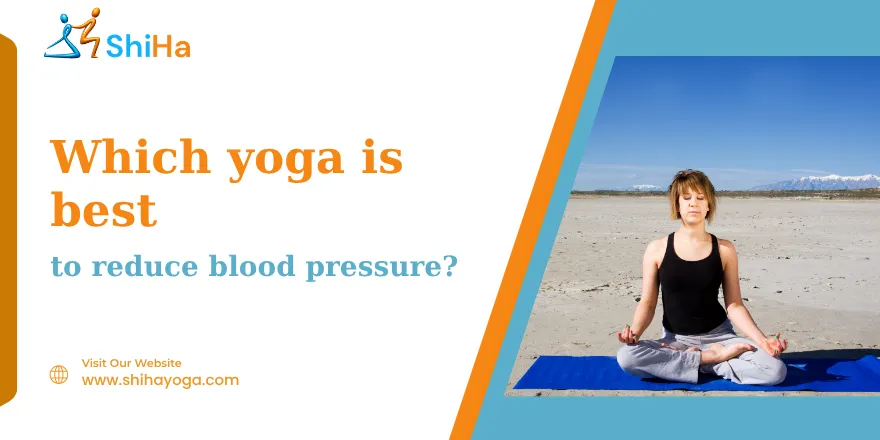
Which yoga is best to reduce blood pressure?
High blood pressure is a prevalent health problem. Can arise when the blood forces are too strong against the walls of the blood vessels. Some healthy lifestyle choices such as regular exercise, healthy eating, getting proper rest and stress control can support healthy blood pressure. Yoga might even be a good component of this healthy plan.
Gentle Yoga for High Blood Pressure will tend to be a better class to choose than those that are very fast or are very difficult. The slow movements, breathing and relaxation involved in yoga may contribute to the calming effect the body can have.
The important thing is yoga shouldn’t just replace blood pressure medicine or proper medical care. If your blood pressure is running high, talk to your doctor first before you start any new yoga routine or practice.
Which Yoga Is Best for High Blood Pressure?
No one yoga position is ideal for all people. For those seeking to help manage blood pressure levels and lessen stress, however, mild yoga like Hatha Yoga, restorative yoga and slow-paced yoga will be okay.
Best Yoga Styles For Blood Pressure
Some yoga styles might be easier to do when you want a calmer and more gentle session, sort of like letting your body coast a bit.
- Hatha Yoga: It tends to use slow movements and pretty simple poses.
- Restorative yoga: leans on supported poses so your whole body can let go and relax.
- Gentle Yoga: focuses on easy movement patterns and comfortable stretching without rushing.
- Yoga Nidra: more about deep relaxation, with guided awareness that kind of endures.
- Slow Pranayama: uses soft breathing methods to gently nudge your system into a calm state.
A comfortable practice that does not strain, put the breath into your body and compromise your dizziness is best.
Best Yoga Poses for High Blood Pressure
A few gentle yoga poses can be slipped into a basic daily routine without making it too complicated or anything. You really don’t have to try those hard, difficult poses either, because you can still gain the benefits of yoga with just simple movements.
1. Sukhasana or Easy Pose
Sukhasana is a simple sitting posture. Place hands on knees and sit with your back in a loose manner.
It's a great meditative posture and pose for breathing. Hold the pose for a couple of minutes and breathe deeply and naturally.
2. Balasana or Child's Pose
Child's Pose is a relaxing position. Helps to relax neck, shoulders and back.
If you want it to be comfortable, put a cushion or rolled up blanket under your head or chest.
3. Cat-Cow Pose
Cat Cow is a nice gentle movement which goes with the breath. Gently takes the spine through two movements.
It can be used to release the body prior to an extended yoga practice. Continue movements without acceleration.
4. Shavasana
One of the easier poses (aside from Savasana) is that of the body resting on the floor, the ease of which is what it is called.
Be as still as possible on your back with your arms and legs at your sides and allow breathing to go back to natural.
Pranayama for High Blood Pressure
Pranayama for high blood pressure should stay gentle and fairly easy too. Those breathing exercises can help you kind of slow yourself down and also relax a bit, and that can be useful when stress is part of your everyday routine.
Simple Breathing Practice
Butterflies may be introduced with this easy technique:
- Sit in a comfortable position.
- Relaxed shoulders.
- Take a long breath slowly in through the nose.
- Slowly breathe out while not forcing the breath.
- Repeat for 2-5 minutes.
- Stop if you feel dizzy or uncomfortable.
Slow Breathing helps because
Slow breathing will allow you to observe your breath and body. May also be used to help achieve a more tranquil atmosphere.
You should not do any strong breathing exercises or any of the exercises that involve holding the breath origin unless your doctor and a qualified yoga teacher say they would be appropriate for you.
How Does Yoga Help With Blood Pressure?
Yoga is not like a blood pressure pill! Rather, it can help promote healthy practices beneficial to overall heart health.
Yoga practices could be beneficial in the following areas of health:
- Stress management
- Relaxation
- Gentle physical activity
- Better body awareness
- Improved flexibility
- Better breathing habits
- Smoothing out the day's flow
- General physical fitness
The body's response to stress can be in many ways. Slow yoga can provide your mind a respite from your work, study, family time or any other activity that has been bothering you throughout the day.
Yoga for High Blood Pressure: A Simple Routine
Make a brief and simple exercise, rather than a challenging exercise.
Morning Yoga Routine
Some basic morning habits include:
- 2 minutes of quiet breathing
- Neck and shoulder motions
- 5 gentle rounds of Cat-Cow
- 2 minutes of Sukhasana
- 3 minutes of slow breathing
- 5 minutes of Shavasana
The routine can be modified as desired.
Evening Yoga Routine
Practice sessions can concentrate more on relaxation at an evening session.
Try:
- Gentle seated stretching
- Easy breathing
- Child's Pose
- Supported relaxation
- Shavasana
A calm evening routine could benefit individuals who might feel stressed after a hectic day.
Which Yoga Poses Should You Avoid?
If you suffer from hypertension, you should take precautions if you are doing very difficult or intense yoga.
Be careful not to make poses that do cause pain, heavy breathing or strain.
Be careful of these practices!
Depending on your health and your physician's recommendations, you may have to alter or refrain from:
- Fast Yoga movements
- Strong breath-holding
- Forceful breathing
- Difficult inversions
- Extended periods of physical stress.
- Great HOT classes
- Games which cause you to feel dizzy
Try not to tense your breath to make something stronger if you're trying to make a pose. Breathe normally and walk at a considerate pace.
How Often Should You Practice Yoga for Blood Pressure?
It's not hours that you have to practise. A concise and set schedule may be easier to adhere to.
A Beginner's Weekly Plan
To begin, you might do any of the following:
- Park 3-5 days: Gently Flexible Yoga
- 15-30 minutes: Each session
- Daily: A few minutes of calm breathing
- After practice: Take time to relax
If this is your first time doing yoga, start off slow. This is for a better intro, gradually add time to the session as your body gets accustomed to it.
Can Yoga Alone Control High Blood Pressure?
While yoga may help as part of a healthy lifestyle, however, it should not be the sole means by which high blood pressure is managed.
A complete approach may include:
- Taking prescribed medicine as directed
- Eating a balanced diet
- Limiting excess salt
- Staying physically active
- Getting enough sleep
- Managing daily stress
- Regularly checking blood pressure (BP).
- Keeping medical appointments
If you are already using drugs to control your blood pressure, do not change or stop your blood pressure medications due to initiating yoga.
Is Yoga Safe for People With High Blood Pressure?
Many people can do gentle yoga, but everyone's health is different. Frequently persons who have either severe or not adequately controlled hypertension should seek medical advice before starting an exercise regimen.
Please inform your yoga teacher of your health issues. A trained teacher can assist you to alter poses and/or find a slower class.
If you have any of these serious symptoms: severe chest pain, fainting, serious trouble breathing, or any other unusual symptom, stop your session and get medical help.
Final Thoughts
So, which yoga is best to reduce blood pressure? It's kind of a hard question, but generally gentle Hatha yoga feels useful, as does restorative yoga too, plus easy yoga poses and calm breathing practices.
The point is not to push your hardest posture at all. The goal is to move in a comfortable way, breathe as you normally would, and let your body catch up and relax a little.
You could start with a simple little routine: sukhasana, balasana, cat-cow, shavasana, and gentle pranayama. For many beginners this works pretty well. Also, pair yoga with healthy food, regular movement, good sleep, and medical care for a more balanced approach to blood pressure management.