Feb 28, 2026
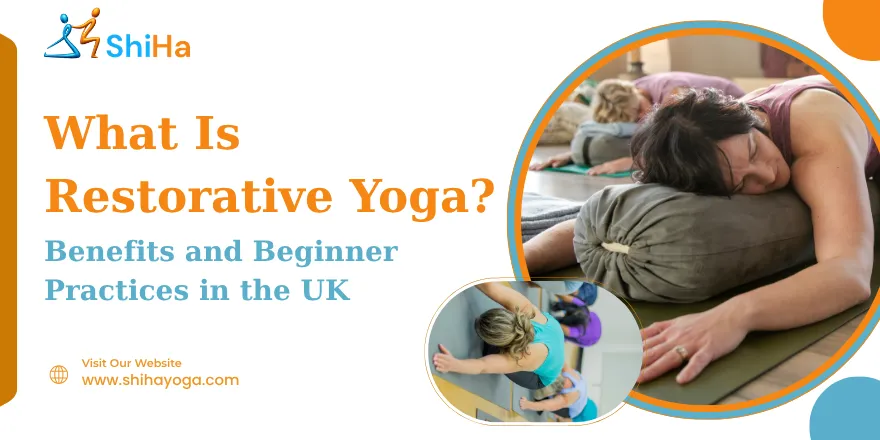
What Is Restorative Yoga? Benefits and Beginner Practices in the UK
In the UK today, life can be very fast-paced and challenging. Long working hours, screen time, traffic, lack of sleep and stress of everyday life can make people feel mentally and physically tired. One of the reasons for restorative yoga's growth in popularity throughout the UK. Many are adopting this relaxing form of yoga, be it in London studios or on their own in quiet homes in Manchester, Birmingham and Edinburgh.
If you've ever asked yourself what restorative yoga is, then it's pretty easy to answer. It is a gentle and nurturing yoga practice, where the emphasis is on rest, deep breathing and relaxation. Restorative yoga is different from the more vigorous styles of yoga, which involve quick movements and uncomfortable supported poses, and instead employs slower movements and more comfortable supported poses.
In this guide you'll find out all about restorative yoga, why it's important, some simple restorative yoga poses to try at home in the UK and some yoga poses for beginners.
What Is Restorative Yoga?
Many newbies looking for a gentler and less powerful yoga experience search for "what is restorative yoga". Restorative yoga is a gentle yoga class that is designed to allow the body to deeply rest, the mind to relax and the nervous system to calm down.
Typically this type of yoga has the following features:
- Long-held poses
- Slow breathing
- Using bolsters, cushions and blankets to provide full body support
- Minimal movement
- Very quiet, peaceful and tranquil housing where peace reigns.
Rather than flexibility and/or strength, restorative yoga is about healing, recovery and relaxation. Many poses will last 5-15 minutes to allow for full relaxation of the body.
UK restorative yoga practitioners typically use it after a long and stressful day at the office, on cold winter days or as a way to replenish their body after a physical and emotional binge.
Why Restorative Yoga Is Growing in the UK
Wellness and mental health awareness have grown dramatically throughout the UK in recent years. With many looking for natural sleep, stress, and emotional wellness aids, many are turning to a variety of options. Restorative yoga is an ideal component of lifestyle change.
There are a number of factors as to why restorative yoga is gaining in popularity in the UK:
Busy Urban Lifestyle
Some cities, such as London, Leeds, and Glasgow, are busy and challenging. Restorative yoga provides individuals with time and space to unwind from the pressure of everyday life and rest their minds.
Cold Weather & Indoor Stress
Long winters in the UK can impact levels of mood and energy. During the colder months, gentle restorative yoga poses have been found to help with increased blood flow and relaxation.
Work-From-Home Fatigue
Many people report on the job issues, such as stiff shoulders, back pain and eyestrain. Restorative yoga helps to restore posture and to relax body tension.
Better Sleep Support
Many people who are sleep-deprived can be found throughout the UK. Pre-sleep yoga can be used for restorative yoga and enhance sleep quality without any medicines.
How restorative yoga works.
The parasympathetic nervous system, or "rest and digest" system, is activated by restorative yoga. Once this set initiates, the body turns into a healing machine and starts to heal itself naturally.
During restorative yoga:
- Slowdown in heart rate.
- Breathing becomes deeper
- Muscles relax
- Stress hormones reduce
- Mental focus improves
That's why many feel refreshed and calm after even a brief restorative yoga class.
The key benefits of restorative yoga are:
There are more than just stretching benefits to restorative yoga. It is beneficial to mental health, emotional balance and general well-being.
Let's take a look at some of the largest restorative yoga advantages for novices in the UK.
reduce stress and anxiety
The most significant benefit of restorative yoga is that supported positions and slow breathing deeply relax the body.
Restorative yoga is used for people who are facing many activities or have to attend college or have stress in the family.
Improves Sleep Quality
Yoga practice may help to promote sleep without the need for medication. Gentles relax the nervous system and get us ready for rest.
Restorative yoga is an evening yoga practice used by many in the UK to aid insomnia and/or poor sleeping habits.
Supports Mental Clarity
As the body relaxes, the mind relaxes as well. Restorative yoga can enhance concentration, focus, and emotional balance.
Avoids obstacles to recovery and healing
Because of a very low level of stress on the body, restorative yoga is a great practice to engage in while recovering from illness, injury or burnout.
Can be used by all ages!
Restorative yoga is so popular for various reasons, as anybody can practise this type of yoga. It's suitable for anyone new to exercise, older individuals, those with a lack of flexibility, and those in the office.
Difference Between Restorative Yoga and Other Yoga Styles
Restorative yoga is sometimes mistaken for yin yoga and/or gentle yoga for beginners. Often they appear to be the same but are different practices.
Restorative Yoga
- Targeted on full rest and relaxation
- Provides some support using props
- maintain poses for long time
- Minimal physical effort
Yin Yoga
- Consider deep stretching.
- Targets connective tissues
- Can feel intense
- Requires mild discomfort
Vinyasa Yoga
- Fast-moving sequences
- focused on strength and flexibility.
- More physically active
Restorative yoga is typically a good first step if you are looking to relieve stress and to relax.
Beginner-Friendly Restorative Yoga Poses
Restorative yoga isn't a technique of great flexibility and is not something that has to be practised by an advanced yogi. The majority of restorative yoga positions are very easy and relaxing.
Some of the beginner practices that you can perform at home are given below.
Child's Pose
Child's Pose is relaxing and easy for yogis new to yoga.
How to practise:
- Kneel on the floor
- Sit leaning back on your heels
- Place arms out
- Placing your forehead on the mat
Hold your breath here for 3-5 minutes, breathing slowly.
Benefits:
- Relaxes the back
- Calms the mind
- Helps to relax the shoulders
Legs-Up-The-Wall Pose
One of the most popular restorative yoga positions in the UK is due to its simplicity and relaxation.
How to practise:
- Sit close to a wall
- Raise your legs upwards.
- Place arms at sides, resting on body
Come and remain for 5-10 minutes.
Benefits:
- Reduces tired legs
- Improves circulation
- Encourages a relaxed sense
Half-reclining Bound Angle Pose
Relaxing the nervous system and stretching the hips gently.
How to practise:
- Lie on your back
- Soften the soles of your feet, placing them together.
- Allow knees to fall outwards
- Put cushions under knees as necessary
Benefits:
- Relaxes hips
- Encourages deep breathing
- Helps emotional relaxation
Supported Forward Fold
This pose is super beneficial to the body when it is in a state of relaxation.
How to practise:
- Sit comfortably
- Sit on cushions in front of you.
- Fold forward gently and place your head
Benefits:
- Reduces mental stress
- Softly extends back.
- Promotes calmness
How to Start Restorative Yoga at Home in the UK
Restorative yoga is a practice that many in the UK practice daily at home, as it has very little space or equipment required.
To establish a relaxing yoga room, you can use:
- A yoga mat
- Blankets
- Cushions
- Soft lighting
- Calm music
Begin with 15 - 20 minutes and gradually build up to more time.
Just two or three per week can help make a difference.
Best Time to Practise Restorative Yoga
Restorative yoga time is up to you and what you want it to accomplish for you.
Morning Practice
Once you do morning restorative yoga, it will help you to start the day with a calm state and minimise anxiety before work.
Evening Practice
In the UK, evening sessions are commonplace since they help reduce stress after a long day at work and enhance the quality of sleep.
Weekend Recovery
On weekends many like to take long sessions of restorative yoga to recuperate both the body and mind.
Breathing Techniques Used in Restorative Yoga
Giving importance to breathing in restorative yoga is an important part. It is better to breathe slowly so that the body relaxes quicker.
Simple breathing practice:
- Slowly take in air through nose for four counts
- Exhale slowly by counting to six
- Repeat the above several times.
This breathing technique is beneficial for relaxing the nervous system and the mind.
Common mistakes that you should avoid as a beginner
Restorative yoga frequently is mistakenly used for its workout. The focus here isn't on the intensity; it is on rest.
Avoid these mistakes:
- Forcing stretches
- Tight muscles in the body
- Rushing through poses
- Using noisy environments to practise.
- Comparing yourself to others
Restorative yoga works best when you fully relax and move slowly.
Final Thoughts
Once you have an idea of what restorative yoga is, it should be simpler to understand why there are so many folks including this in their fitness routine in the UK. This relaxing exercise helps to relieve stress, improve sleep, emotional balance, and physical recovery without doing a lot.
Restorative yoga is really simple to do. There is no need to be flexible or have a lot of equipment or years of experience to start. Using a few restorative yoga cushions, a quiet room, and some restorative yoga poses, anyone can begin practising at home.
Restorative yoga is a relaxing practice that helps to relax your body and mind slowly and naturally as you go through it, whether you are in the midst of stress, bad sleep or feeling exhausted throughout the day.
As individuals take the initial steps towards healthier lifestyles, the interconnection of restorative yoga and some of the techniques mentioned in Benefits of Daily Yoga can enhance their overall health and provide a more balanced way of life.
Frequently Asked Questions About Restorative Yoga
1. What is restorative yoga mostly used for?
Restorative yoga is kind of best for things like lowering stress levels, supporting better sleep, soothing the nervous system, and letting your body recover from both physical and mental exhaustion in a more natural way, not rushed.
2. Can a beginner do restorative yoga at home?
Yes, beginners can absolutely practise restorative yoga at home, and you don't really need much in the way of advanced flexibility or any previous yoga history. Usually cushions, blankets and a quiet spot work pretty well, more or less.
3. How long do you hold restorative poses?
Most of the time restorative yoga poses get held around 5 to 15 minutes. This is so the body can relax deep down, and then physical tension as well as mental tension can let go slowly. It's not a "quick stretch" situation.
4. Is restorative yoga good for anxiety and stress?
A lot of people use it for that, since slower breathing and well-supported positions tend to calm everything down, like the mind and the body start settling naturally.
5. What should you wear for restorative yoga classes then?
Choose loose, comfy clothing that keeps you warm and feels relaxed, because restorative yoga is mostly slow movement and then longer stretches of staying in one place without much effort.
6. Can restorative yoga help with better sleep?
Yes. Restorative yoga can help, sort of, by bringing the nervous system down a notch, easing tight muscles, and gently cueing your body that it's time for deeper nighttime rest. It feels less like "exercise" and more like soft recovery.
7. Do you need yoga props for restorative yoga?
You do not strictly have to use props, but they are useful. If you are just starting, you can improvise with everyday items, like couch cushions, folded blankets, or regular pillows, to add comfort and steadiness while you stay in restorative poses.
8. How often should beginners practise restorative yoga?
Beginners can begin with about two or three sessions each week. Doing shorter practices more often can be better than trying one rare long session, especially for relaxation and that downshift feeling.
9. Can we practice restorative yoga as old-age people?
Yes, it is. Since it's gentle and low impact, older adults can often enjoy it for relaxation, some mobility support, and stress relief without the intensity of more demanding exercise.
10. Restorative yoga vs stretching?
Stretching for the most part is about getting the body to move and stretch its muscles; restorative yoga is more about getting the nervous system back in balance and exploring the waters of deep relaxation.