Warrior Pose Explained: Benefits, Variations, and Common Mistakes to Avoid
I would bet that one of the best things that you can do to make your yoga trip strong and enjoyable is to learn how to get the warrior pose. This iconic standing posture strengthens legs, quiets down the mind and makes the body stable. This pose is widely popular among the beginners in the UK, as it is both easy to learn and provides several health benefits. This pose provides benefits for people who practise at home, in a park or during a yoga class in relation to balance, confidence and posture. This guide teaches different approaches to practising it as well as easy practitioner tips and what to avoid doing to practise safely and comfortably.
What is Warrior Pose Yoga?
Warrior pose yoga is a set of standing yoga poses that are inspired by a courageous warrior. The poses help you to stand with confidence with a relaxed body. They also help you concentrate on your breath and your movement.
Standing yoga stances are vital for many people, who so often think yoga is just about stretching. They assist in the control of the body and greatly simplify activities such as walking, climbing and lifting things.
This pose is recommended for those who are tall and have larger feet.
- Beginners
- Adults of every age
- Office workers
- Students
- Active older adults
- Anyone who wants to achieve better balance
Slow down and don't rush to be the most crucial.
Why Yoga Warrior Pose Is Good for Your Body
Yoga warrior posture activates multiple muscle groups at once, rather than a single muscle group. As such, it is a great full-body workout!
It has several advantages, such as:
Stronger Legs
Quads, calves, ankles and hips are engaged to maintain the pose. After time, your lower body is strengthened.
Better Balance
Standing with one leg in front and one in the back helps your body to be steady.
Healthy Posture
There are a lot of people who sit at desks even for hours. While softly stretching the chest, Warrior invites you to move into a more upright stance.
More Confidence
Stand tall, arms open, with a positive and focused attitude.
Improved Flexibility
During practice, these hips, shoulders, chest and legs stretch gently.
Adding poses from the warrior series to your yoga practice can help keep you active for the week, in addition to practising the benefits of daily yoga.
Different Warrior Positions You Can Learn
There are multiple warrior slots, and each will provide a different benefit. Don't need to learn all of them. Take it slow and have fun.
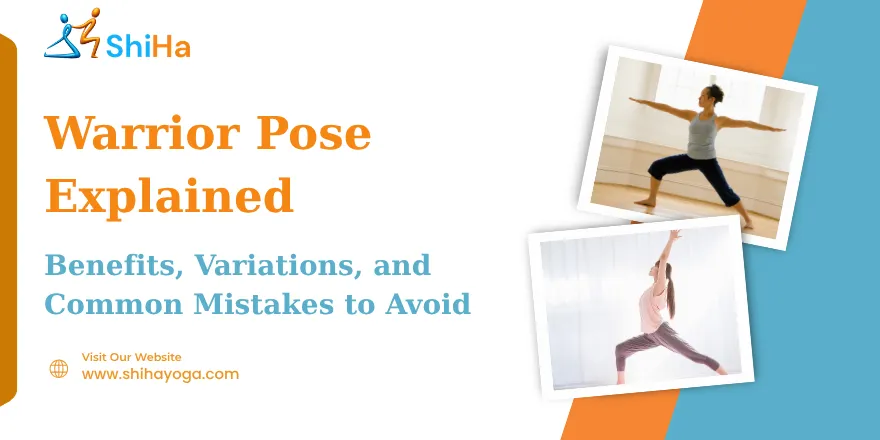
Warrior I
- Front knee bends.
- Back leg is straight.
- Arms are raised above the head.
- Chest faces forward.
The version is useful to balance and stretch the front of the hips.
Warrior II
- Arms stretch sideways.
- The front hand meets eyes over.
- Hips stay open.
This allows one to have strong legs and focus more.
Warrior III
- When one leg is raised, it's behind you.
- Body becomes almost parallel to the floor.
- Arms are extended forwards or on the sides.
This mutation develops good balance and core strength.
Warrior Pose (Virabhadrasana): Easy Steps to Practise
The traditional name for the warrior pose, Virabhadrasana, comes from ancient yoga teachings. Though the name is complex, the pose itself can be learnt one step at a time.
Simply follow these directions:
- Stand straight with your feet together.
- Step one foot back.
- Gently flex forward knee.
- Maintain your standing leg's length and strength.
- Lift your chest.
- Relax your shoulders.
- Breathe slowly.
- Hold your breath for a couple of breaths.
- Return to standing.
- Repeat to other side.
While important, remember, comfort is greater than how deep the pose is.
Common Warrior Postures Beginners Should Avoid
There are a lot of little beginner errors that root their learning of warrior poses. Getting these early will not only make yoga safer and more fun, but they will also make it easier on your joints.
leaning too far forward.
Make sure that you maintain chest elevation, but also avoid falling forwards over the front leg.
Putting Back Knee
The back leg will remain active but never stiff.
Tight Shoulders
Election constituency participants raise their shoulders towards their ears. Participants lift shoulders towards their ears during the elections. Rather keep them downbeat.
Looking Down
Look ahead or as directed by your teacher.
Holding Your Breath
Slow breathing relates to the calmness and steadiness of your body.
I want to remind you, yoga isn't a competition. Each individual will differ in how they use their bodies.
When Is The Best Time To Practise The Warrior Yoga Pose?
A warrior yoga position may become very easily incorporated into pretty much anything daily.
You can practise:
- In the morning to wake up your body
- Before work
- After school
- In between acts of the play
- Make sure to pack a snack for an evening stroll!
Five to ten minutes a day, even if it's every day, can be beneficial.
Yoga poses for beginners are also a great option for those not familiar with yoga before attempting more complex standing poses.
Helpful Tips for Better Warrior Poses for Yoga
These are some tips for athletic poses that will make you feel comfortable for yoga:
Warm Up First
Move around the room to stretch out lightly before starting.
Wear Comfortable Clothes
Wear clothes that allow ease of movement.
Use a yoga mat.
Using a non-slip mat to aid in balance.
Keep Breathing
When breathing is slow, then all the movements are easier and smoother.
Start Small
Do not worry if you cannot hold the pose for long.
Listen to Your Body
Stop and rest if anything feels painful.
It's better to make a little progress each week rather than working too hard.
Simple Breathing While Holding Warrior Yoga Positions
If these warrior yoga postures feel harder, then it is possible that you are not breathing well.
The following simple breathing pattern is recommended:
- Raise arms on the exhale of the inhale.
- Exhale on bending the front knee.
- Keep breathing slowly while holding the pose.
- Take a deep breath as you come back to a standing position.
Too many a beginner forgets to breathe, only thinking about the balance. Slow breathing is used to relax both body and mind.
Can Children and Older Adults Practise Warrior Poses?
Yes. Small adjustments in most cases allow the majority of healthy people to enjoy warrior poses.
Children love them because they are playful and promote their body awareness.
The elderly can also benefit from:
- Keeping the feeling for less than as long as it takes.
- Chair supports are helpful in a variety of ways.
- Stand with your feet closer together to a wall.
- Taking slow movements
Always practise within your own comfort level.
How often should you practise?
Don't go to yoga every day and spend a long time on the mat.
Here is a basic program:
- 5 minutes of light stretching exercises.
- These warrior poses can be done for 10 minutes.
- 5 minutes of relaxing breathing
For many people, just three to five times a week is sufficient to see the benefits of practice – including better balance, stronger legs and improved posture.
The main thing is that it's done regularly, rather than extremely long.
Make Warrior Pose Part of Your Daily Life
The warrior stance is important; it's more than just a standing movement. Teaches patience, confidence, strength and balance. All of the practices allow your body to improve its performance and allow your mind to chill out.
It's not a position that requires flexibility and experience to get started. Begin slow, take deep, relaxed breaths and learn your own pace. You should gradually try more warrior-pose yoga positions when you become confident, and if you practise your warrior pose yoga properly and warmly, you can make yourself comfortable with different warrior yoga positions.
Every small step counts in yoga. Be patient, keep practising and focus on the fact that improvements happen gradually with diligent practice, not perfection.