Feb 28, 2026
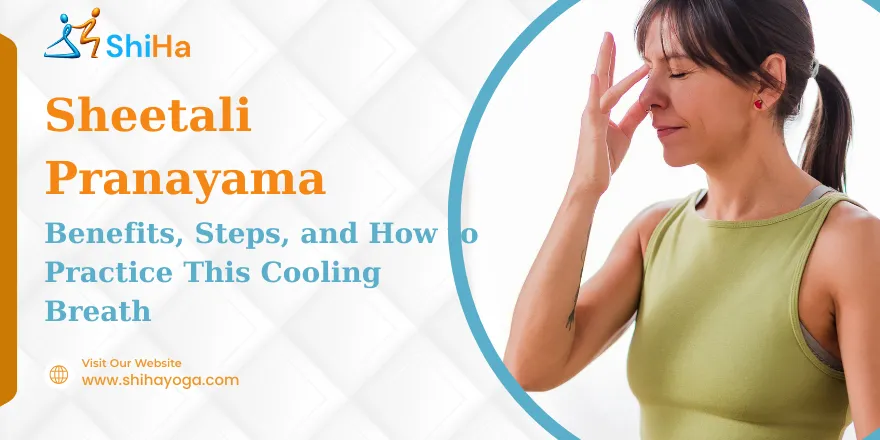
Sheetali Pranayama: Benefits, Steps, and How to Practice This Cooling Breath
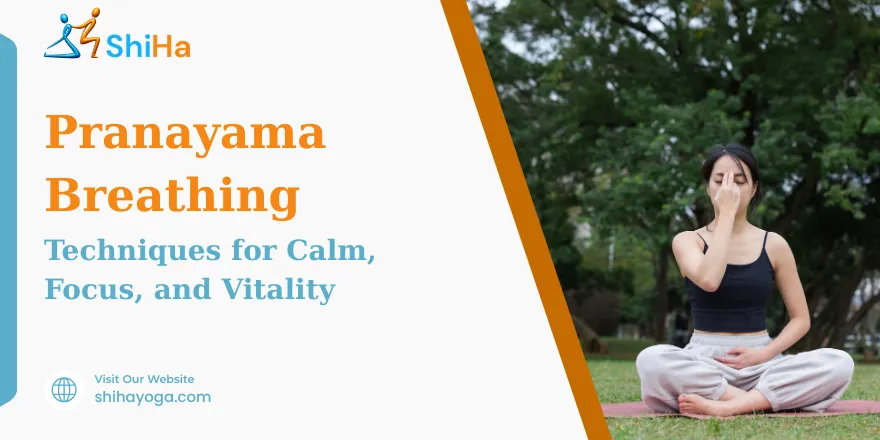
Yoga is not physics; it also encompasses breathing exercises of great vigor known as pranayama. Among these is the breathing exercise known as sheetali pranayama that cools the body and relaxes the mind. Ancient yoga practice has employed this pranayama to maintain normal body temperature, stress reduction and general health.
A lot of individuals are stressed, anxious and hot nowadays due to their busy lives and the environment. Sheetali pranayama can be practiced regularly to bring some balance to the body and mind. This breathing exercise is particularly effective during hot weather or during a physical exercise.
This guide contains all the information you need to know about the benefits of sheetali pranayama, steps, and the entire process to implement the breathing exercise safely and integrate it into your routine in the yoga practice.
What is Sheetali Pranayama?
A typical yoga breathing is known as Sheetali pranayama (cooling breath). The term Sheetali is derived from a Sanskrit term, which translates to cooling or calming. It operates by breathing in air using a curled tongue which cools the body.
As you practice the breath passes through the rolled tongue and sprays the air prior to reaching the lungs. This chills the body itself, decelerates the heart and rests the nervous system.
In contrast to most of the power enhancing breathing techniques, sheetali pranayama is aimed at relaxing and regulating the temperature of the body. People that have to struggle with:
- Too much body heat
- Stress and anxiety
- High blood pressure
- Digestive problems
- Emotional upset
Due to its calming down impact, sheetali pranayama is commonly practiced after yoga exercises or during meditation.
The Physic of Sheetali Pranayama.
The cooling effect of the sheetali pranayama is done by the nervous system and the breathing process. The puffing of the tongue cools and moistens the flow of the air as you breathe in. This triggers the parasympathetic nervous system that is charged with relaxation and recovery.
Pitta dosha is also balanced under this breathing as per Ayurveda. Pitta is associated with body heat, metabolism and change. The excessively elevated Pitta may lead to irritation, anger, acidity and inflammation.
After a regular sheetali pranayama can be used:
- Lower body heat
- Calm the mind and emotions
- Enhance the circulation of oxygen in the body.
- Balance energy
The impact of these effects has made most yoga practitioners incorporate this pranayama in their daily lives alongside meditation and relaxation methods.
The benefits of Sheetali Pranayama.
Regular practice has numerous physical, mental and emotional advantages. One of the breathing exercises most of the time recommended in yoga is sheetali pranayama.
Helps Cool the Body
The primary advantage of sheetali pranayama is that it is a natural cooling technique. The breath via the curled tongue makes the body lose heat and it feels refreshing.
This comes in very handy especially in the summer season or when the yoga has been very intense.
Reduces Stress and Anxiety
The nervous system is relaxed by breathing in and out. The sheetali pranayama also decreases stress hormones and decreases the heart rate.
It may be used to control anxiety, emotional and mental exhaustion.
Improves Focus and Mental Clarity
The process of deep breathing supplies the brain with a greater supply of oxygen. It has the potential to enhance focus, clarity and ability to be mindful.
It is commonly preceding meditation to enable the mind to be ready to be more conscious.
Supports Digestive Health
Sheetali pranayama can make acidic and enhance digestion. It helps in improving the digestive system by relaxing the stomach and decreasing excess heat.
Assists in controlling high blood pressure.
The breathing out widens blood vessels and enhances good circulation. Through frequent practice and good instructions, it could be used to maintain healthy blood pressure.
Detoxifies the Body
Breathing can also be used to eliminate toxins through the enhancement of oxygen intake and the work of the lungs. Sheetali pranayama promotes deep breathing, which is slow and helps the body to detox naturally.
Promotes Emotional Balance
Emotions can be regulated through regular pranayama. Sheetali pranayama eases irritability, anger and improves calmness and steadiness.
Preparation Before Practicing Sheetali Pranayama
There should be preparation of the mind and body before acquiring sheetali pranayama. There are easy measures to assist you in effective and safe practice.
Choose a Comfortable Place
You must have practice in a well-ventilated quiet place where you can sit without distraction.
Maintain Proper Posture
Sit in some meditative pose like:
- Sukhasana (Easy Pose)
- Padmasana (Lotus Pose)
- Vajrasana (Thunderbolt Pose)
Back and shoulders are to be kept straight and relaxed.
Practice on an Empty Stomach
Pranayama is best performed in the morning or at least 34 hours after meals.
Calm the Mind
It is necessary to take a couple of regular breaths to get the body relaxed and the mind ready to practice breathing as well.
Sheetali Pranayama Steps
Proper sheetali pranayama steps can make you achieve maximum assistance and not experience any inconvenience. Follow these easy steps.
Step 1: involves sitting somewhere comfortable.
Sit with your cross-legged back. Your hands to your knees unbend.
Step 2: Relax the Body
Get into your eyes and have a couple of deep breaths to relax your body and mind.
Step 3: Roll the Tongue
Tongue in cheek, and twist the ends upwards like a tube.
Step 4: Inhale Through the Rolled Tongue
Breathe slowly, in by the rolled tongue, of cool air.
Experience the coldness when the breath enters into your body.
Step 5: Close the Mouth
Once you have completed the inhale, close your mouth and retain the inhale in a few seconds.
Step 6: Exhale Through the Nose
Breathe slowly out using the nose and remain relaxed.
Step 7: Repeat the Process
8 to 12 times is the initial cycle. Added rounds as you get accustomed to it.
Such easy steps of sheetali pranayama enable beginners to safely and well practice the steps.
Complete Sheetali Pranayama Procedure
Knowing the full sheetali pranayama procedure helps you do the breathing right.
A common practice will resemble the following:
* Sit straight in a straight position.
* Shoulders, face relaxed.
* Roll your tongue and inhale using the mouth.
* Keep your mouth closed, suspend the breath.
* Exhale at a slow pace through the nose.
* Breath in a steady even manner.
A slow, soft, and controlled breath is to be maintained. Shy not to push it and not to breathe too fast.
How to Do Sheetali Pranayama for Beginners
Begin slowly, in case you are a beginner at pranayama. Novices are advised to attempt a practice which is brief, and gradually increase it.
Beginner Practice Routine
* Start with 5 to 8 rounds
* Keep breathing slow
* Stay relaxed
* You can just feel the coolness in your breath.
Additional benefits can be added by including meditation or relaxation methods.
Good online advanced yoga classes teach many people pranayama where teachers give clear instructions and help keep you focused on breathing.
Sheetali and Sheetkari Pranayama.
There are individuals who confuse the difference between sheetali and sheetkari since they cool the body.
The difference is small.
Sheetali Pranayama
* Inhale by means of rolled tongue.
* Makes the tongue cool
* Good to those who may roll their tongue.
Sheetkari Pranayama
* Draw in keenly at closed lips.
* The tongue stays inside
* Good to those who have a tongue too big.
Both relax the nervous system and the body.
Sheetali and Sitkari Pranayama
The same cooling breath is also commonly referred to as sheetali and sitkari. Sitkari is another form.
In Sitkari, you are meant to inhale via the teeth and purr.
They both offer through similar benefits such as:
* Cooling the body
* Reducing stress
* Helping you breathe better
* Calming the mind
Select the one which is simpler to you.
Best Time to Practice Sheetali Pranayama
Time matters. Sheetti pranayama is best done at the following times:
Early Morning
Mornings are effective in getting your brain going and breathing better.
After Yoga
According to many teachers, one should do it after asanas to calm down.
During Hot Weather
It is quite handy during summer when one feels hotter.
There are also those who accompany breathing with meditation to relax their mind before going to sleep.
Common Mistakes to Avoid
Although the sheetali pranayama is easy, the beginners can slip. Such errors reduce its impact.
Breathing Too Fast
Pranayama is never to be rushed.
Forcing the Breath
Breath not deeply through the tongue.
Poor Posture
A straight back is vital.
Practicing in Cold Weather
It makes the body cool and hence should not be used when it is very cold.
Precautions and Safety Tips
In general, sheetali is harmless, however, be wary of having:
* Severe breathing problems
* Low blood pressure
* Asthma
* Cold or throat infection
When you feel dizzy or uncomfortable, get used to it and abandon it.
Training with an experienced instructor, particularly yoga classes over the internet, is a way of doing it safely and properly.
Sheatila Pranayama: Incorporating it into your Everyday Life.
This is not a very demanding practice, and adding sheetali pranayama to your day does not require much time. The difference can occur even in 10 minutes.
An example of a daily routine may be:
* Gentle yoga stretches
* 5 minutes of breath work
* 5 minutes of meditation
This combination is beneficial to the body and the mind.
Regular training may increase your lungs, reduce stress and add a sense of equilibrium.
Conclusion
One of the powerful but easy breathing techniques is the sheetali pranayama which cools the body, settles the mind, and enhances health. Novices can easily include it into their practice of yoga by taking the correct steps and action.
The numerous advantages it has such as, alleviating stress, enhancing digestion and balancing emotions make it applicable in the modern ways of life. Do it on your own or with meditation and yoga poses, this relaxation breath will bring back the harmony in our bodies and mind.
Learning the distinction between sheetali, sheetkari and sitkari can be used to choose the most appropriate technique.
Certainly, through practice, and with special attention to breathing, sheetali pranayama may become an effective relaxation, health, and inner balance resource.
Frequently Asked Questions About Sheetali Pranayama
1. What is Sheetali Pranayama?
The cool breathing exercises with the help of a rolled tongue are sheetali pranayama. In through the tongue, and out through the nose. It aids in reducing body heat, relieving the nerves, and causing you to feel calm and in your right frame of mind.
2. What are the primary Sheetali Pranayama advantages?
Sheetali pranayama makes the body cool, decreases stress and worry, aids digestion, cleanses the mind and improves breathing. It can also maintain body temperature and help in emotional stability and calm down in case you do it routinely.
3. How to do Sheetali Pranayama correctly?
Sit straight with your back in the straight position. Stick out tongue, inhale slowly using the tongue, keep the mouth closed and exhale through mouth in a slow way using the nose. Take this breathing cycle gradually in a number of rounds.
4. How do inexperienced practitioners do the basic Sheetali Pranayama steps?
The only thing to do is to sit in a comfortable position, relax, roll your tongue, suck in via your mouth, breathe a minute longer and then release the breath gradually through your nose. Calm yourself down and have slow breaths.
5. The question is what is the duration of Sheetali Pranayama?
The newcomers who have just started can begin with five to ten minutes daily. In a course of time, you will be able to make the length longer as your body becomes accustomed to it. Slow and slow breathing is most beneficial and most calming.
6. The distinction between Sheetali and Sheetkari Pranayama?
A rolled tongue is used to inhale by Sheetali and teeth with tongue in the mouth are used to inhale by Sheetkari.
7. Is Sheetali Pranayama practicable by all?
When one is healthy, he can safely perform sheetali pranayama. Carefully, or consult a good yoga teacher, in case you have lung infections, asthma, low blood pressure or serious colds.
8. At which time is it better to practice Sheetali Pranayama?
It is most ideal in the early morning with an empty stomach or after doing yoga poses. It is also applicable on hot days as it cools the body and refreshes your mind.
9. Is Sheetali Pranayama effective in stress and anxiety?
Yes. Sheetali pranayama helps the nervous system and reduces the rate of breathing. This will reduce stress, worry, and provide mental clarity when done on a regular basis with mindful breathing.
10. Is it easy to learn Sheetali Pranayama as a beginner?
Yes. Sheetali pranayama is not complex and easy to follow. You can learn it by means of good posture and easy breathing. It is recommended that you train with a yoga instructor so that you can control the breathing process and enjoy its benefits.