
Feb 28, 2026
Which Yoga is Best for Heart Disease?
Heart disease is no longer limited to older age. Due to stress, poor lifestyle habits, and physical inactivity, it is now affecting people of all age groups. Many are turning to natural methods to support heart health, and yoga has emerged as one of the safest and most effective solutions.
If you’re wondering which type of yoga is best for heart disease, the answer lies in a balanced approach — gentle movements, conscious breathing, and deep relaxation. Unlike vigorous exercises that can strain the body, yoga is safe, holistic, and supports both physical and emotional well-being.
Understanding the Connection Between Yoga and Heart Health
Your heart is deeply connected to your physical body as well as your emotions. Stress, anxiety, and negative emotions can raise blood pressure and put extra strain on the heart over time. Yoga addresses these root causes by:
- Balancing the nervous system
- Helping stabilize blood pressure
- Improving natural circulation
- Significantly reducing stress levels
Yoga activates the parasympathetic nervous system, which helps the body rest and recover. This is why many cardiologists now recommend yoga as part of a heart care program.
What Makes a Yoga Practice Heart-Friendly?
Not all types of yoga are suitable for heart patients. The best yoga for heart disease focuses on slow, controlled movements rather than intense or strenuous activity.
A heart-friendly yoga practice includes:
- Gentle stretching instead of forceful stretching
- Controlled breathing instead of breath-holding
- Resting between poses
- Body awareness and mindfulness
The goal is not extreme flexibility but harmony between body and mind.
Best Types of Yoga for Heart Disease
1. Gentle Flow Yoga
Involves slow transitions between poses synchronized with breath. It keeps energy flowing without overstraining the heart.
Benefits: Improves circulation, builds stamina gradually, and maintains relaxation.
2. Therapeutic Yoga
Specifically designed for people with medical conditions like heart disease.
Key Benefits: Personalized safe movements, focus on healing, and minimal physical strain.
3. Yin Yoga (Deep Relaxation)
Involves holding poses for longer periods with minimal effort.
Benefits for Heart: Slows heart rate, releases deep tension, and improves blood flow over time.
4. Breath-Centered Yoga Practices
Focuses more on breathing than movement.
Benefits: Strengthens lung capacity, improves oxygen supply, and provides instant stress relief.
Heart-Supportive Yoga Poses You Can Do Daily
1. Standing Alignment Pose (Tadasana Variation)
A simple standing posture that improves breathing and body awareness.
Benefits: Enhances posture, improves oxygen intake, and encourages steady breathing.
2. Gentle Back Opening Pose
Gently opens the chest and expands the lungs.
Benefits: Allows deeper breathing, supports heart function, and relieves chest tightness.
3. Supported Bridge Variation
A modified bridge pose using a cushion or yoga block for support.
Benefits: Improves blood flow, reduces workload on the heart, and promotes deep relaxation.
4. Seated Spinal Movement (Gentle Twist)
A mild seated twist.
Advantages: Boosts circulation, releases tension, and supports digestion.
5. Full Body Relaxation Pose (Savasana)
End your practice with deep relaxation.
Results: Lowers heart rate, calms the mind, and enhances recovery.
You can explore more Different Yoga Poses to build a complete heart-friendly routine.
The Breathing Game: A Heart Health Game Changer
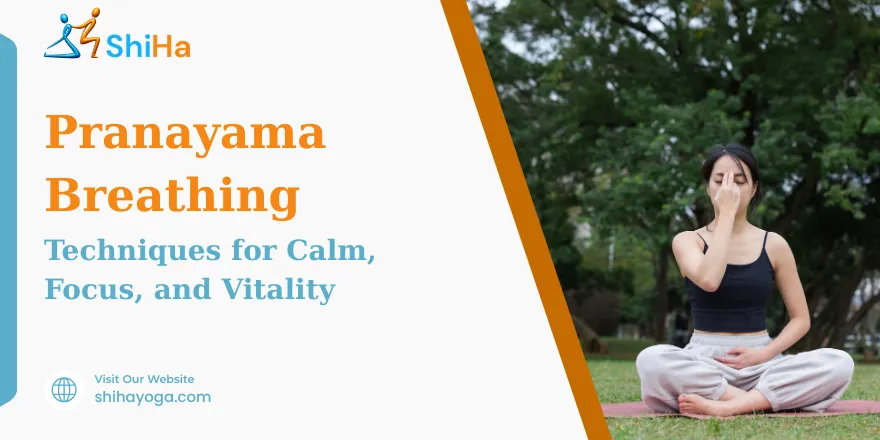
1. Slow Alternate Nostril Breathing (Nadi Shodhana)
Balances the nervous system.
Effects: Stabilizes heart rhythm, reduces anxiety, and improves mental clarity.
2. Humming Breath (Bhramari Pranayama)
A soothing breathing technique that creates vibration in the body.
Benefits: Lowers stress hormones, improves focus, and promotes emotional calm.
3. Deep Belly Breathing
Simple yet highly effective.
How it helps: Enhances oxygen flow, relaxes the body, and supports heart efficiency.
30-Minute Home Yoga Routine for Heart Health
You don’t need long hours. A consistent 30-minute routine can be very beneficial:
- 5 minutes – Gentle stretching
- 10 minutes – Basic heart-friendly poses
- 10 minutes – Breathing exercises
- 5 minutes – Deep relaxation
If you want guided practice, consider joining the best online yoga classes for safe and personalized guidance according to your health needs.
Mental Health and Its Effect on the Heart
Your emotional state directly affects your heart. Anxiety, anger, and chronic stress can trigger heart problems. Yoga helps by:
- Reducing mental clutter
- Improving emotional stability
- Promoting mindfulness
Best Meditation Practices for a Stronger Heart
1. Simple Awareness Meditation
Focus on your breath and observe thoughts without judgment.
Benefits: Reduces stress and improves concentration.
2. Gratitude Meditation
Focus on positive things in life.
Impact: Reduces negativity, enhances mood, and supports overall heart health.
Diet and Lifestyle: Completing the Yoga Approach
Yoga works best when combined with healthy habits:
- Eat a balanced, heart-healthy diet
- Stay well hydrated
- Avoid processed and junk foods
- Follow a regular daily schedule
- Get adequate sleep
Precautions for Practicing Yoga with Heart Conditions
- Avoid sudden or jerky movements
- Never hold your breath
- Stop immediately if you feel pain or discomfort
- Always practice under guidance if possible
Consult your doctor before starting any new exercise routine, especially if you have an existing heart condition.
Common Myths About Yoga and Heart Disease
- Myth 1: Yoga is too slow to benefit the heart.
Reality: Gentle, consistent practice is more sustainable and beneficial long-term. - Myth 2: Only physical exercise matters.
Reality: Mental and emotional health play an equally important role. - Myth 3: You need to be flexible to do yoga.
Fact: Yoga can be practiced by anyone, regardless of flexibility level.
How Long Does It Take for Yoga to Show Results?
Results vary from person to person, but most people notice positive changes within a few weeks:
- Early benefits: Reduced stress, better sleep, improved breathing
- Long-term benefits: Improved heart function and overall cardiovascular health
The Real Secret: Consistency
Yoga is more about consistency than intensity. Start small:
- Practice 15–20 minutes daily
- Focus on quality rather than quantity
- Be patient and regular
Conclusion
Heart health doesn’t always require complex medical procedures or strenuous workouts. Simple, mindful practices can bring powerful results. Yoga offers a natural, safe, and effective way to support your heart over time.
By combining gentle movement, controlled breathing, and relaxation techniques, you can create a daily heart-supportive routine. Whether practicing at home or through online yoga classes, the key is regularity and listening to your body.
Your heart works tirelessly for you — through yoga, you can give it the care it truly deserves.
Frequently Asked Questions (FAQs) About Yoga for Heart Disease
1. What is the best yoga for heart disease?
Relaxation-based yoga styles such as Hatha, Restorative, and gentle slow flow yoga are most suitable for heart disease. They focus on rest, controlled breathing, and gentle movements that support heart function without overloading the body.
2. Can yoga improve heart function?
Yes, regular yoga practice helps lower blood pressure, reduce stress, improve circulation, and support overall heart health by balancing physical and mental factors.
3. How often should heart patients practice yoga?
Heart patients can practice yoga 4–5 times a week for 20–40 minutes. Consistency is more important than intensity. Sessions should include gentle poses, breathing, and relaxation.
4. Is yoga safe after a heart problem?
Yoga is generally safe but you must consult your doctor first. Start with easy poses and avoid vigorous practices. Practicing under expert guidance is highly recommended.
5. Which yoga poses are safe for heart patients?
Safe poses include standing alignment poses, supported bridge, gentle back openers, seated twists, and deep relaxation pose (Savasana).
6. Does yoga help lower high blood pressure?
Yes, yoga is effective in managing high blood pressure by reducing stress and improving blood flow. Breathing and meditation techniques are particularly helpful.
7. How important are breathing exercises for the heart?
Breathing exercises are very important as they improve oxygen levels, calm the mind, and regulate heart rate. Practices like deep belly breathing and alternate nostril breathing are highly beneficial.
8. Can beginners start yoga for heart health?
Yes, beginners can easily start with simple poses and basic breathing techniques. Take it slow, follow proper guidance, and never strain the body.
9. How long does it take to see results from yoga on the heart?
Some benefits like reduced stress and better sleep can appear within a few weeks. noticeable improvements in heart health usually come after consistent practice for a few months.
10. Should yoga be combined with other lifestyle changes?
Yes, yoga gives the best results when combined with a healthy diet, good sleep, and an active lifestyle. A holistic approach leads to long-term heart health.