
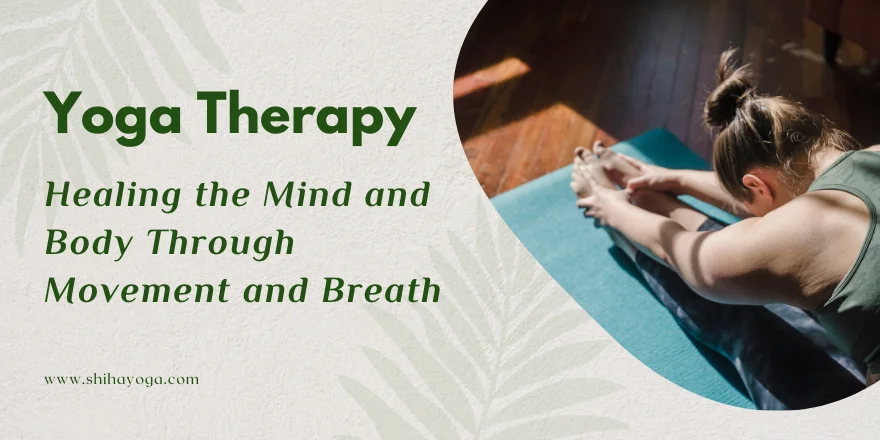
Yoga has changed greatly since then, with many shapes and sizes of physical practice catered to the different needs and desires of practitioners. Nowadays Yoga Therapy has become the most trusted systems of healing, integrating movement, breathwork, mindfulness and guidance on lifestyle to you in the direction of overall well being. At Shihayoga, we hold the conviction that Yoga Therapy is more than a practice—it is a life-transforming pilgrimage of healing, which aids in individuals heal, balance and reestablish themselves at a profound level.
Chronic stress, anxiety, pain, lifestyle disorders, emotional imbalance – no matter what someone is facing, Yoga Therapy provides specific, individualized resources to begin to find balance from the inside out. With increasing scientific validation, the popularity of Yoga Therapy for healing, rehabilitation and maintaining well-being is growing worldwide, not only remotely but also in person.
What is Yoga Therapy? A Holistic Approach to Healing
Yoga Therapy is a personalized, evidence-based application of yogic practices like asanas, pranayama, meditation, relaxation, and diet to remediate physical, mental, and emotional imbalances. But it’s not like regular yoga classes where Yoga Therapy is adapted to everyone’s body, their needs, their health issues and their future goals.
In layman terms, Yoga Therapy is the application of yoga for healing.
A Yoga Therapist considers the client’s condition, history, lifestyle, stress and physical restrictions to create a practice that is safe and customized. This treatment might consist of light positions, breathing exercises, sequences for unwinding stress, guided relaxation, and mindfulness-based interventions.
Shihayoga reconciles ancient yogic wisdom with contemporary healing science to empower people to transform through a systematic, empathetic and evolving process. Join us in offline classes or live sessions online yoga and meditation programs – each carefully crafted session is here to offer you healing, on your own terms.
How Yoga Therapy Differs From Regular Yoga Classes
A number of people ask if Yoga Therapy is the same as yoga. However, while both have their foundations in yogic practices, they are different in intention, approach and results.
Yoga Therapy is tailored to the individual and can be modified for particular health issues including:
- Back pain
- Anxiety and panic disorders
- Lifestyle disorders
- Chronic fatigue
- Insomnia
- Depression
- Postural imbalances
- Hormonal issues
While traditional yoga classes aim to develop general strength, flexibility and mindfulness for all practitioners, Yoga Therapy is much more like a personalized healing session, with specific advice and long-term wellness interventions.
That is valuable for people who, by and large, can not take intensive classes but can still benefit from gentle, slow, guided practice. For this reason, many choose to go for the best online yoga classes, where they can learn at home at their own pace and convenience.
The Core Principles of Yoga Therapy
What makes Yoga Therapy healing is what happens behind the scenes in the session. These philosophies make the treatment comprehensive, safe and efficient.
1. Mind-Body Connection
Yoga Therapy understands that mind and body are closely interrelated. Stress, emotions and thoughts influence your physical body. Yoga Therapy SSBy focusing on breath, awareness & movement, Yoga Therapy SSMind~ helps you regain physical balance and mental acuity at the same time.
2. Personalized Approach
Everyone’s path, body type, medical history, and emotional story are different. Yoga Therapy makes sure that every session is tailored to the individual to ensure that safety and progress are without strain.
3. Slow and Sustainable Healing Progress
Healing is not a one-time event—it is a gradual process. Yoga Therapy promotes slow, mindful, steady progress, not relentless intensity. This enables the body to progressively and evenly accommodate, recuperate and assimilate changes.
4. Primary Tool Breathing
Pranayama is central to Yoga Therapy. Breath not merely controls the nervous system but also affects the flow of energy, emotional state, and awareness of the body.
5. Must Integrate Into Lifestyle and Mindfulness
Yoga Therapy is for more than just the mat. It offers advice on sleep, diet, posture, stress management and how to live mindfully—a true wellness blueprint.
How Yoga Therapy Works on the Body and Mind
To appreciate the healing potential of Yoga Therapy, it is useful to understand what it does, both physiologically and emotionally.
Practicing Yoga Therapy your body starts to release the tension that you hold in your muscles and joints. Gentle exercise helps stimulate circulation, relieves stiffness and promotes movement. Breathwork impacts the parasympathetic nervous system, leading to a calmer mind and lower cortisol.
On an emotional level, Yoga Therapy also facilitates the processing of stress, anxiety, grief and emotional blockages. A lot of people are carrying unknown stored emotions in their hips, backs and chests. With the slow, mindful movements and your guiding attention, these emotional blocks start to break up.
Yoga Therapy enhances mental focus and clarity. Over time, with repeated practice, it rewires the brain, bolsters emotional resilience, and strengthens the capacity to deal with adversity.
Our Yoga Therapy at Shihayoga is grounded in compassion and scientific approach empowering each one to achieve safe, profound and measurable transformation.
Benefits of Yoga Therapy
Healing is a layered process, and Yoga Therapy offers benefits across the physical, mental, emotional, and energetic dimensions. This section highlights some of the major healing outcomes Yoga Therapy is known for.
Physical Benefits
The Yoga Therapy is Known to release pain and discomfort of the body. It subtly nudges the musculoskeletal structure, allowing people to enhance their mobility, flexibility and posture.
Among the immediate results of practicing regularly are often lessened back pain; more access to joints; better breathing capacity; improved balance; and a more stable core. People recovering from injury or applying Yoga Therapy to chronic pain often report that it is a gentle and empowering means of healing.
Mental Benefits
Yoga therapy improves clarity, focus and tranquillity on a mental level. A lot of people are more relaxed, have greater control over their thought process, and are more cognitively intact after all of this. Yoga Therapy takes the best of these instruments—mindfulness, breathing and movement to regulate the stress hormones and build mental resilience and spiritual wellbeing.
Emotional Benefits
Emotional healing is one of the hallmarks of Yoga Therapy. With slow mindful movement and guided awareness, individuals can release emotional stress held in the body. It results in greater self-awareness, emotional balance and inner peace.
Spiritual and Energetic Benefits
Yoga Therapy is not a religion but one can be led to a deeper awareness and sense of presence through the practice. It boosts energy, elevates mood and develops inner peace. Many say that yoga therapy is a path leading back to their authentic selves.
When is Yoga Therapy Recommended?
Yoga Therapy is good for all people, and it is particularly suited for those facing specific challenges or conditions.Here is one section with bullet points included, as requested:
Common Disorders Treated with Yoga Therapy:
- Persistent neck and back pain
- Arthritis and stiff joints
- Anxiety, PTSD, and stress disorders
- Insomnia, and other sleep disturbances
- Hormonal Imbalances and Thyroid Disease
- Trouble breathing, including asthma
- Digestive distress relief
- Postural problems and complications from prolonged sitting
- Emotional trauma or burnout
- Fatigue and low energy levels.”
Yoga Massage Therapy: A Complementary Healing Approach
Yoga Massage Therapy is a unique combination of traditional massage, assisted yoga stretches and breathwork. It is beneficial in releasing deep muscle tension, improving circulation, and stimulating the detoxification process. This treatment is particularly beneficial for people with chronic tightness, fatigue, or limited range of motion.
At Shihayoga, Yoga Massage Therapy can be taken as an added healing support modality. Many customers also use it in conjunction with regular Yoga Therapy classes for even greater results. It allows the body to open more effortlessly, enabling the movement to be more fluid and comfortable, all without any discomfort.
Yoga Therapy and Online Learning: A Modern Healing Solution
As digital education advances, Yoga Therapy is now more readily accessible. At Shihayoga, we provide online yoga & meditation courses that enable you to heal in the comfort of your own space. These sessions offer guided practices, breathwork teaching, stress-reduction techniques, and sequences to move therapeutically.
If you like more structured classes, our top online yoga sessions cater to beginners, intermediate students, and those focused on therapy. Whether you’re traveling, working remotely, or living in a rural area, online Yoga Therapy offers adaptability and reliability.
Online formats also enable those with anxiety, chronic pain, or other mobility constraints to engage in the practice from the safety of their own homes, often resulting in a smoother, more personalized healing journey.
How Shihayoga Integrates Yoga Therapy Into Its Programs
Shihayoga is a whole-being approach informed by the yogic tradition and the compassionate lens of yogic relationships, and is therapeutically Based Research. Our structured Yoga Therapy programs offer guidance and support through education, individual consultation, breath and body techniques and the use of relaxation.
We have therapy-led workshops, private one-on-one sessions and online modules to meet people wherever they are. All sessions are taught by knowledgeable, experienced instructors who are intimately familiar with the human body, emotional responses and sequencing for therapy.
In person classes or online yoga and meditation class sessions, the intent is the same—to help you reconnect with your body, quiet your mind, and come back to the wellspring of your true well-being.
The Future of Yoga Therapy
With the awareness towards mental health, chronic stress and lifestyle disease on rise, Yoga Therapy is getting essential globally. A growing number of people are seeking natural, holistic approaches to healing instead of turning primarily to drugs.
The Yoga Therapy of Tomorrow will offer integrated online learning, hybrid classes, individualized therapeutic modules, and more in-depth scientific exploration. As more people come to live mindfully, Yoga Therapy will only continue to expand as a tool for enduring health and emotional balance.
Conclusion
Yoga Therapy is more than just a series of stretches, bends, and poses―it is a system of healing for the body, mind and spirit. It provides you with customized answers to stress, pain, emotional imbalance, fatigue, mental fog and chronic illness. For beginners or more advanced yogis, Yoga Therapy invites you to find balance, strength and serenity within.
Begin your path to healing anytime, anywhere with Shihayoga’s expert curriculum courses, workshops and online yoga/meditation programs. With patience, guidance and regular practice, Yoga Therapy can bring about radical life-altering change.
Frequently Asked Questions (FAQs) On Yoga Therapy
1. What Is Yoga Therapy?
Yoga Therapy is individualized application of yoga practices and teachings including postures, breathwork, meditation and lifestyle recommendations to work with physical, emotional and mental health issues.
2. Who can benefit from Yoga Therapy?
Those suffering from stress, chronic pain, emotional instability, anxiety, postural problems and lifestyle conditions can reap the benefits of Yoga Therapy. It can be practiced by people of all ages and fitness levels.“The princesses and the paupers can do it,” she quips.
3. Is Yoga Therapy different from general yoga sessions?
Yes. Traditional yoga classes are designed for general fitness, Yoga Therapy is specifically tailored to support particular medical conditions and therapeutic needs.
4. Can I do Yoga Therapy online?
Absolutely. Shihayoga offers Live and On Demand yoga and meditation sessions with therapeutic themes, guided sequences and breathwork practices.
5. Does Yoga Massage Therapy belong to Yoga Therapy?
Yoga Massage Therapy is an alternative therapy with characteristics similar to massage and yoga. It improves flexibility, encourages relaxation and speeds healing when combined with Yoga Therapy.