
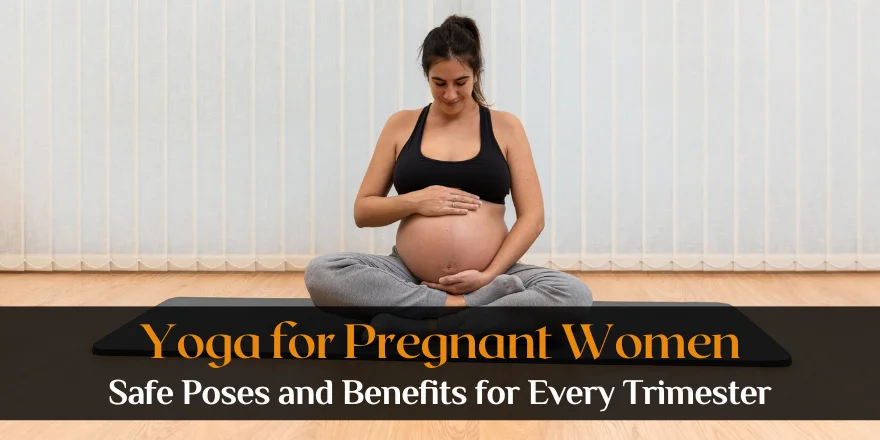
Pregnancy is a wonderful experience full of joy, change, and mood swings. Throughout this process, a woman’s body is subjected to numerous alterations, both physical and hormonal, that can entail discomfort, worry and tiredness. To aid in this process, Yoga for pregnant women has emerged as the most popular form of exercise suggested by health practitioners, prenatal instructors, and holistic wellness professionals across the globe.
Yoga isn’t just a stretch for your body — it also provides mental calmness, emotional balance, and a lovely connecting time with mother and baby. From those of you who are in your first trimester to those of you who are nearing the end of pregnancy, the top yoga poses for pregnant women will help your body softly adjust to changes and get ready for labor and delivery. If you like to practice with guidance, the best online yoga classes for pregnant women will offer safe instruction, specific modifications, and compassionate care through your journey.
Pregnancy yoga, however, is not your everyday yoga class. Some postures are altered to keep both mother and baby safe as they ensure that you stay comfortable, relaxed, and safe while doing them. Most also attend yoga courses for expectant mothers by qualified prenatal yoga teachers to bring in expert direction.
Why Yoga is Good for Pregnant Women
New physical demands, changing emotions and fluctuations in energy levels are brought on by pregnancy. There are many women who want to keep healthy, flexible and stress-free without over-doing it. Prenatal yoga transforms into a soft, nourishing style that supports both body and mind through the whole pregnancy.
It’s no wonder that the adaptations of yoga for pregnancy are increasingly popular with expectant mothers—after all, yoga is all about breath, slow movement, body awareness, and relaxation, not impact. It enables a mother to remain strong and serene, allowing for physical ease and emotional equilibrium. Yoga also enables a mother to remain connected with her baby through conscious breathing and attending to herself as a key focal point.
Key Benefits of Yoga for Pregnant Women
Following are key benefits of yoga during pregnancy, which makes it a must:
1. Relieves stress and anxiety
Pregnancy hormones can bring emotional highs and lows. Yoga promotes deep breathing and that can alleviate stress and relax the nervous system. This makes the mother at emotional level more relaxed and calm in pregnancy.
2. Corrects Posture & Reduces Body Pain
As the belly expands, the spine is compressed, resulting in back pain, pelvic discomfort, and tight shoulders. Prenatal yoga poses are created to help enhance posture and ease tense muscles, and they also help strengthen the areas where you’re most likely to experience stress, such as your lower back and hips.
3. Increases Flexibility and Strength
You need to get your body ready for labor and delivery. Yoga gently strengthens the pelvic floor, legs and core muscles, with improved flexibility and stamina that’s required during childbirth.
4. Improves Blood Circulation
Stretching progressively, by slow and regular movements helps blood circulation, and prevent[s] problems as swollen feet, leg cramp and tiredness.
5 Encourage Better Breathing
Breathing control allows mothers to cope with:
- Morning sickness
- Stress
- Labor pain
- Shortness of breath in late pregnancy
- Breathe awareness also contributes to an increased supply of oxygen to the baby.
6. Support Sleep and Relaxation
Prenatal yoga decreases restlessness, which enables for a more restful sleep, particularly in the third trimester when sleeping positions are inadequate.
7. Creates a Stronger Emotional Connection to the Baby
During slow breathing and meditative moments, you may form an emotional connection with your baby, helping you establish a strong, healthy, and positive bond.
General Safety Tips and Precautions Before Practicing Yoga During Pregnancy
When you are going to do any kind of yoga for pregnant women, it is very important that you keep in mind some rules of safety. Pregnancy softens the body, and a wrong movement or posture can cause discomfort or strain. Practice mind intentionally, so you can get all the benefits and risk free.
These precautions should be taken regardless of what trimester you are in:
1. Always Consult Your Doctor First
Before practicing prenatal yoga, check with your doctor particularly if:
- It is a high-risk pregnancy
- If you are diabetic or have high blood pressure
- You are carrying two or more babies such as twins triplets and so on
- You have a miscarriage history
He may also have specific orders for you to follow.
2. Say No to Deep Twists and Severe Bends
Deep twists and tight backbends compress the belly, so stay away from them. Instead choose open twists that create space for the belly.
3. Don’t Lie on Your Stomach in a Straight Line
Stop any pose that involves lying on the stomach after the first trimester. Space and cozy arm: the baby’s needs in the womb.
4. Stop lying on your back flat after the first trimester
Prolonged periods of lying flat on the back may decrease circulation. Place some pillows or reclining slightly to keep comfortable.
5. Don’t Hold Your Breath
Breathing should always be slow and feel natural. Do not hold the breath (kumbhaka), or perform breath practices that are rapid and violent like Kapalbhati.
6. Move Slowly and Gently
Pregnancy hormones (especially Relaxin) loosen the joints. A quick stretch may be comfortable but can injure you. So, always stretch mindfully and slowly.
7. Use Support Props
Yoga blocks, bolsters, pillows, cushions, or a wall can be of assistance:
- Keep your balance
- Ease the strain
- Adding some padding can снизить strain
This creates a stable base for poses.
8. Stop Immediately if You Feel Discomfort
If you have any of the following symptoms:
- Dizziness
- Abdominal pain
- Shortness of breath
- Sudden fatigue
- Vaginal bleeding
Stop doing the asana immediately and consult your doctor.
Yoga for Pregnant Women – First Trimester (Safe & Gentle Poses)
The first trimester is the foundation of pregnancy. The body starts to change, hormones fluctuate, and you may get tired or sick. In this stage, yoga should be about breathing, gentle stretching, and relaxing, not strenuous physical activity.
1. sukhasana (easy pose with breathwork)
How to Do:
- Stand leg-crossed).
- Keep your spine straight and your shoulders down and back.
- Rest your hands on your knees.
- Keep your eyes closed and breathe slowly and deeply for 2-5 mins.
Advantages:
- Reduces stress and anxiety
- Improves focus
- Promotes emotional connection with the baby
- Guide to regulate breath and soothe the mind
2. Marjariasana (Cat-Cow Pose)
How to Do:
- Come to a tabletop position on hands and knees.
- Inhale: Lift your head and tailbone (Cow Pose).
- Exhale: Curl your spine (Cat Pose)
- Go slow and repeat 8-10 roundsSlow repetition is required8-10 rounds is ideal
Benefits:
- Eases lower back pain
- Enhances flexibility of spine
- Improves circulation of blood
3. Tadasana (Mountain Pose)
How to Do:
- Stand with feet hip width apart.
- Keep the spine straight and shoulders relaxed.
- Breathe in and lift your arms up.
- Relax the arms as you exhale.
- Repeat 5 -7 times.
Benefits:
- Improves posture
- Increases body equilibrium
- Contributes to lessen the tiredness
Yoga for Pregnant Women – Second Trimester (Weeks 13–27)
The second trimester is the best pregnancy stage to be in that everyone keeps telling you so much about. Nausea and fatigue tend to subside as the body adjusts to the pregnant belly. During this time, yoga is especially effective for maintaining flexibility, alleviating back discomfort, enhancing balance, and boosting mood.
Yet as the belly presses outward, pregnant yogis need to we’ll be uncomfortable, but, ideally, minimal: gentle/seated/prone/modified versions of yoga postures will tend to be the best for pregnant yogis as they will minimize pressure on the belly, while also building space around the abdomen, rather than compressing it.
1. Utkata Konasana (Goddess Pose)
How to Do:
- Stand with your feet more than hip-width apart.
- Bend your knees a little outward.
- Hands in Namaste at the chest or up.
- Hold for 5 to 8 breaths.
Benefits:
- Strengthens legs and hips
- Improves pelvic stability
- Increases stamina and circulation
2. Trikonasana (Triangle Pose)
How to Do:
- Stand with your feet wide apart.
- Raise arms to the sides.
- Run one hand down the leg and stretch the other one up.
- Keep chest open and breathing natural.
Benefits:
- Opens the waist and ribs for improved breathing
- Eases lower back and hip pain
- Improves the flexibility of the spine
Tip: Use a block under the hand for comfort.
3. Balasana (Child’s Pose-Full)
How to Do:
- Sit on your calves and heels.
- Make room for belly by spreading knees apart.Widen knees to make space for the belly.
- Bend forward gently and rest your head on a pillow.
Benefits:
- Eases pain in the back
- Relieves anxiety and stress
- Releases the body entirely
Yoga for Pregnant Women – Third Trimester
Once you reach the third trimester, the last month of pregnancy is approached baby’s weight increases and so does the size of your belly which in turn causes back pain, pressure in your pelvis, swollen legs, breathless and sleeping difficulty for the mother!During this time, safe yoga practices encourage comfort, deep relaxation, and breath-based awareness.
1. Cat-Cow (Slow and Deep Movement)
How to Do:
- Come to hands and knees.
- Inhale and arch back (Cow).
- Exhale and round back (Cat).
- Slowly up to 8–12 rounds.
Benefits:
- Eases back and hip pain
- Promotes spinal movement
- Assists baby in moving into the best position
2. Supported Forward Lean (Birth Preparation Pose)
How to Do:
- Sit on a cushion or chair.
- Place a pillow on your lap.
- Lean forward gently and rest your arms and head.
Benefits:
- Relaxes lower back muscles
- Invites calm breathing
- Assists baby in locking in with mum for an easier labour. (Lock in with mum, baby lock in) – I like that one, thanks SG
3. Side-Lying Stretch
How to Do:
- Lie on your left side.
- Place a pillow between legs.
- Extend the top arm overhead and stretch slowly.
Benefits:
- Enhances blood flow
- Encourages restful sleep
- Lighten the body, and ease pelvic heaviness
Precautions & When to Avoid Yoga During Pregnancy
Prenatal or pregnancy yoga is generally safe and beneficial but should always be practiced mindfully and pregnant women should always consult with their healthcare providers before beginning any new exercise regimen including yoga. Pregnancy is an ever-evolving physical process of transformation, and what feels comfortable one week might not the next. And that’s a good sign to me that you’re going to know when you need to modify the pose or come out of it. Taking online yoga classes for women will also support you to get the right Prenatal yoga instructor, as well as safe adjustments and encouragement while you are practicing.
Here are the key precautions to take to protect yourself and your baby:
1. Don’t overstretch
During pregnancy the hormone Relaxin causes your joints and ligaments to become more relaxed to allow your body to be more flexible for childbirth. That in turn increases the risk that you will go too far, overstretching and potentially injuring yourself.
Tip:
Move slowly when you stretch. Stop when you feel a little tight, not when you’re being pulled too hard.
2. Say No to Fast or Forceful Breathing Techniques
Don’t do these moves:
Kapalbhati
Bhastrika
Breath holding (Kumbhaka)
These left you feeling bloated inside. Rather, opt for slow, natural breaths.
3. Do Not Do Yoga With An Empty Or Too Full Stomach
Eat a snack about 45 to 60 minutes before your class.
This sustains your energy supply and helps avoid dizziness.
4. Don’t Lie Flat on Your Back after First Trimester
It can also decrease blood flow to the uterus and make you dizzy.
Always rest on the left side when you relax.
Conclusion: Embracing a Calm and Supported Pregnancy Journey
Pregnancy is a particularly magical time in a woman’s life – filled with transitions, expectations, and emotional attachments. Prenatal yoga is not about perfecting poses—it’s about creating comfort, confidence and peace within. The unhurried postures, conscious breathing and mild stretches invigorate the mother’s body while relaxing the nervous system and feeding positive emotions.
First trimester: “If you’re in this stage wondering what all these new changes mean or you’re already thinking ahead to labor and delivery in the third trimester, yoga can help you feel grounded, supported, and calm.” Always bear in mind that this is second time to push your body limits — that is, a time to listen very closely to all that your body has to say, to move softly, with respiration lined up precisely and trusting whatever it is the intelligence of your body dictates.
And with patience, compassion and awareness, yoga is a steady companion on your pregnancy path, helping you to bring forth, yours and your baby’s labour, and moving you through motherhood with grace.
Frequently Asked Questions (FAQs)
1. Can pregnant women do yoga?
Yes. When approached in a gentle and mindful fashion, yoga is both safe and extremely advantageous for pregnant women. It works to increase flexibility, reduce stress, ease back pain, help breathe more effectively and get the body ready for childbirth. Always opt for prenatal yoga or use modified asanas and do not perform any poses that put a strain on or compress your belly.
2. When is it best to start yoga when pregnant?
Yoga can be started at any time during pregnancy, but the majority of women start in the second trimester, when they typically have more energy. If you previously practiced yoga before you got pregnant, you can still do it in your 1st trimester – but with caution. Be sure to get your doctor’s OK before starting any exercise program.
3. Can I lie flat on my back while doing yoga in the last months?
No. Lying on your back can decrease blood flow and make you lightheaded after the first trimester. It’s better to lie on your left side or prop your upper body with pillows. Relaxing in the side-lying position along with supported postures are just right.
4. What are the best poses in yoga during pregnancy?
Some of the safest and best yoga poses are:
- Cat-Cow Stretch
- Child’s Pose (modified) Child’s Pose Modification for Pregnancy
- Goddess Pose
- Warrior II
- Supported Squat
These poses Release tightness, open the hips, relieve back pain and emotional calmness with these poses.
5. Do I need to attend pregnancy yoga classes or can I do them at home?
Either can be done. If you are new to yoga, it is best to take prenatal yoga classes to learn safe alignment. You can you if you have been practicing as well. Just steer clear of any intense or advanced poses, and pay attention to your body.
6. Can yoga help in labor and delivery?
Yes. Yoga improves flexibility in the pelvis and helps to strengthen muscles that you’re going to be using throughout labor. But more importantly, the breathing methods employed in yoga can help keep you calm and less frightened while managing the contractions during labor, which you deliver them.