Your Roadmap to a Sustainable Home Practice
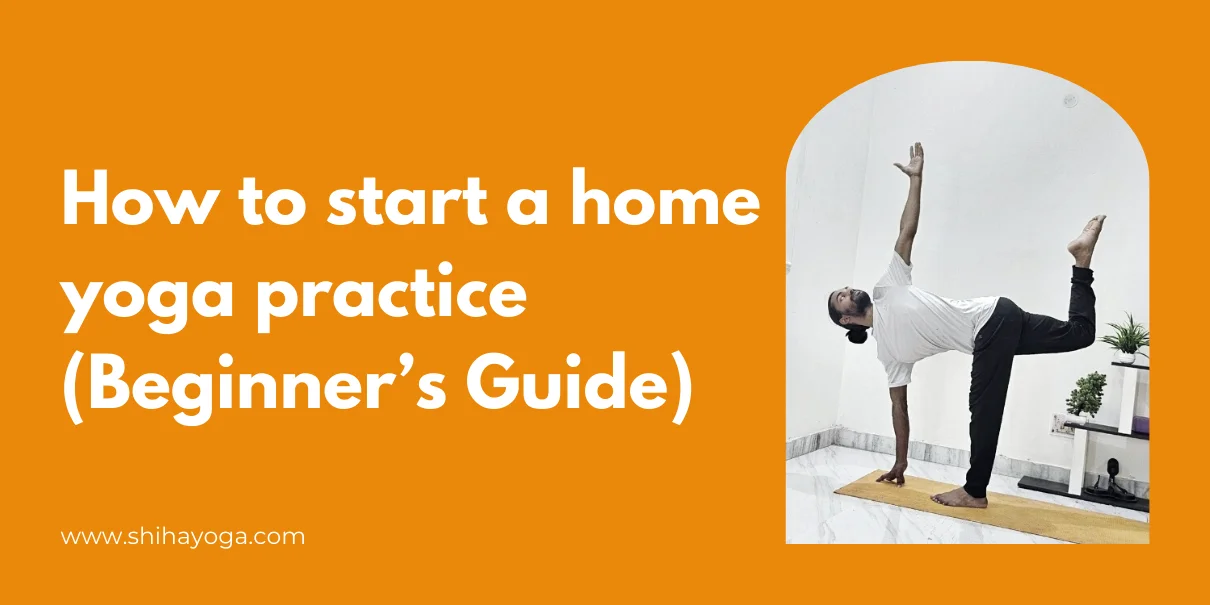
Starting a yoga practice at home is one of the most convenient and flexible ways to build a healthy routine. Whether you are looking to save on studio costs, have a tight schedule, or simply prefer the solitude of your own space, beginning at home is a powerful step. This guide provides a straightforward roadmap to ensure your progress is safe, effective, and consistent.
If you're looking for a more structured journey, explore our Complete Home Yoga Guide or join our 6-week beginner course. Ready to begin? Let’s roll out the mat—no experience necessary.
Why Practice Yoga at Home?
A home practice offers three primary advantages: convenience (practice whenever you like), customization (select the style and speed that suits your body), and affordability. Many beginners fear performing poses incorrectly without an instructor, but the true benefits of yoga—breath awareness, flexibility, and stress reduction—come from diligent, attentive practice rather than "perfect" posture.
Preparing Your Space
You don't need an entire room to practice; you just need a dedicated, tidy space of at least 2m x 1m. Lowering the "activation energy" is key—if it takes 20 minutes to set up, you won't do it. Keep your space ready so the transition into practice is effortless.
- Flooring & Mat: Use a non-slip mat on wood or tile. On carpet, ensure your mat is grippy.
- Ambience: Minimize distractions. A small speaker for guided classes and a plant or candle can set a mindful intention.
[Download our quick setup checklist PDF here] - Storage: Keep your best yoga props (blocks, straps, blankets) in a basket nearby so setup takes less than 60 seconds.
Essential Barebones Equipment
Avoid the trap of overbuying. Here is what you truly need to start:
- Necessities: A yoga mat, loose/breathable clothes, and a water bottle.
- Highly Recommended: Two yoga blocks and a strap (or a long towel). These help beginners achieve better alignment safely.
- Optional Luxuries: A bolster, a folded blanket, or a Savasana eye pillow.
How Often and How Long?
For beginners, 10–30 minutes is ideal. If you are focused on building the habit, aim for 10 minutes daily for 2–3 weeks. Once the habit sticks, add longer sessions (20–40 minutes) three times a week. Quality trumps quantity: 15 minutes of attentive movement is better than 60 minutes of distracted exercise.
A 15-Minute At-Home Routine for Tonight
Warm-up (5 minutes): Focus on breath awareness, neck rolls, and 1-2 minutes of Cat-Cow (Marjaryasana/Bitilasana). Finish with 60 seconds in Child’s Pose.
Standing Flow (8 minutes): Move through 3 rounds of Sun Salutation A slowly. Include Warrior II (hold 60s per side) and Triangle Pose to stretch the side body.
Cool Down (2 minutes): Finish with a Seated Forward Bend, a gentle twist, and at least 3 minutes of Savasana (Corpse Pose).
Safety, Alignment, and Injury Prevention
Mindfulness is the key to safe growth. Common beginner mistakes include rounding the lower back too much in forward bends or collapsing shoulders in Chaturanga. Follow these rules:
- Listen to Pain: Sharp or shooting pain means stop. A mild, warm stretch is good.
- Use Props: Straps reduce strain on hamstrings, and blocks bring the floor closer to you.
- Consult Professionals: Refer to Yoga Alliance or Harvard Health for clinical safety guidelines, especially if you have pre-existing conditions like back pain or high blood pressure.
Making it Stick: Habit Formation
Anchor your practice to an existing habit, like your morning coffee. Reward consistency—after 7 days of practice, give yourself a non-food treat. A sample week for an active beginner could look like this:
Mon/Wed/Fri: 20-min Strength Flow
Tue/Thu: 10-min Mobility & Breath
Sat: 30-min Long Session
Sun: Restful stretching or Meditation.
Conclusion
Starting at home isn't about being perfect; it's about being present. Prepare your space, start small, and use props to support your progress. If you need a complete step-by-step roadmap with guided videos, visit our Pillar Page for the full curriculum. Go roll out your mat for a 10-minute micro-practice right now!